Guiding you through life's natural transitions
Menopause & perimenopause, steadied with support.
Hot flashes, sleep changes, and mood swings don't have to run your life. We help you manage symptoms and promote well-being through every stage of this natural transition.

The transition
What is perimenopause?
Perimenopause is the transitional phase leading up to menopause, often starting in a woman’s late 30s or 40s. Hormone levels, particularly estrogen and progesterone, begin to fluctuate, which causes a variety of symptoms. Perimenopause can last several years and includes different stages as hormone levels change.
What is menopause?
Menopause is a natural phase in a woman’s life when menstrual cycles permanently cease, signaling the end of reproductive years. After 12 consecutive months without a period, a woman is considered to have reached menopause. We aim to manage symptoms and promote well-being during this transition.
Stages
Stages of perimenopause.
Perimenopause is marked by hormonal fluctuations that can cause irregular menstrual cycles, hot flashes, mood swings, and sleep disturbances. This stage can last several years and ends when a woman has gone 12 consecutive months without a menstrual period, marking the onset of menopause.
Early perimenopause: decline of progesterone
Progesterone begins to decline, even if menstrual cycles remain regular. This subtle shift may cause insomnia, anxiety, and forgetfulness, as well as affect heart, bone, and brain health over time. Addressing low progesterone during this phase creates a more balanced foundation for the changes ahead.
Mid perimenopause: estrogen fluctuations
Estrogen levels start to fluctuate, leading to noticeable changes in menstrual cycles. High estrogen can cause heavy periods and breast tenderness, while low estrogen often results in light periods, vaginal dryness, and decreased libido. Stabilizing blood sugar and gently balancing estrogen can help regulate these swings.
Late perimenopause: lowered estrogen
Estrogen levels drop and remain consistently low, often intensifying hot flashes, brain fog, mood swings, and joint pain. Naturopathic strategies like promoting restful sleep, improving gut health, and balancing blood sugar can minimize these symptoms and support your body through the transition.
Causes & key factors
Causes & key factors affecting perimenopausal symptoms.
The primary cause of perimenopausal symptoms is the natural decline in reproductive hormones, particularly estrogen and progesterone. Several factors can influence the severity and duration of these symptoms.
Lifestyle choices
A balanced diet rich in phytoestrogens, regular physical activity, and effective stress-reduction techniques all play a critical role in alleviating symptoms.
Genetics
Family history can impact the onset and experience of perimenopause. Women whose mothers experienced early menopause may have a similar timeline.
Health conditions
Chronic illnesses, such as thyroid disorders or autoimmune diseases, can affect hormone levels and exacerbate symptoms.
Daily support
Supporting perimenopausal symptoms.
Managing perimenopausal symptoms involves a holistic approach that works with your body rather than against it.
Dietary changes — foods high in phytoestrogens, like soy, flaxseeds, and whole grains, help balance hormones, while stable blood sugar supports overall hormonal health.
Regular exercise — aerobic and strength-training exercises lift your mood, help you manage weight, and improve the quality of your sleep.
Stress management — practices such as yoga, meditation, and deep breathing lower stress and reduce symptoms like anxiety and irritability.
Embracing the next phase
Transitioning from perimenopause to menopause.
As women move from the transitional period of perimenopause into menopause, the body undergoes a shift from fluctuating hormone levels to a new, lower baseline of estrogen and progesterone. This natural progression marks the end of monthly menstrual cycles and introduces different health considerations. Some symptoms may get better, but others might stay or change.
What to expect during menopause.
During menopause, hormonal levels stabilize at a lower baseline, leading to common symptoms like hot flashes, night sweats, vaginal dryness, brain fog, joint pain, and fatigue. These changes can also impact metabolism, bone health, and cardiovascular function. Supporting the body with balanced nutrition, targeted therapies, stress management, and quality sleep can help manage symptoms and promote overall well-being during this phase.
Proven treatments
Proven treatments for menopausal symptoms.
Several treatments have demonstrated effectiveness in managing menopausal symptoms naturally.
Botanical remedies
Herbs like black cohosh, chaste tree berry, and red clover have shown benefits for hot flashes, mood swings, and overall well-being.
Acupuncture
This holistic therapy offers relief from hot flashes, night sweats, and mood imbalances.
Nutritional supplements
Omega-3 fatty acids, vitamin D, magnesium, and B vitamins can support mood stability, bone health, and cognitive function.
Mind-body techniques
Meditation, yoga, and mindfulness training can alleviate symptoms like anxiety, irritability, and insomnia.
Whole-person care
Embracing a holistic approach.
Managing menopause requires a foundation of balanced nutrition, regular exercise, and effective stress management. These life changes can be incredibly challenging, with the daily impact of hormone fluctuations affecting mood, energy, and overall well-being.
At Flora Naturopathics, we’re dedicated to supporting you through each stage of this transition, offering both naturopathic tools and proven treatments — including bioidentical hormone replacement therapy when your body needs more than lifestyle shifts alone.
Flora Labs
Testing that maps your transition.
Functional medicine labs show exactly where your hormones are — taking the guesswork out of perimenopause and menopause care.
Complete hormone mapping
DUTCH and serum hormone panels track estrogen, progesterone, and their metabolites so we can see exactly where you are in the transition.
Thyroid & metabolic markers
Thyroid, blood sugar, and adrenal stress profiles reveal the conditions that intensify perimenopausal symptoms.
Bone & heart health
Lipid panels and nutrient assessments monitor the long-term considerations that matter most after estrogen declines.
Memberships
Membership-based naturopathic care, built around you.
Individual and family memberships pair ongoing visits with member pricing, making root-cause naturopathic care simple and consistent throughout the year.
Explore membershipsPatient feedback
Hundreds of patients, in their own words.
4.9/5
from 213 Google reviews


Your symptoms are signals
Let's turn them into a plan.
Book your first telehealth visit and start uncovering the root causes behind how you feel, with a plan built around your history, labs, and goals.
Free e-books
Doctor-written guides you can start reading today.
Download free e-books from Flora's doctors and take the first steps toward better health at home.
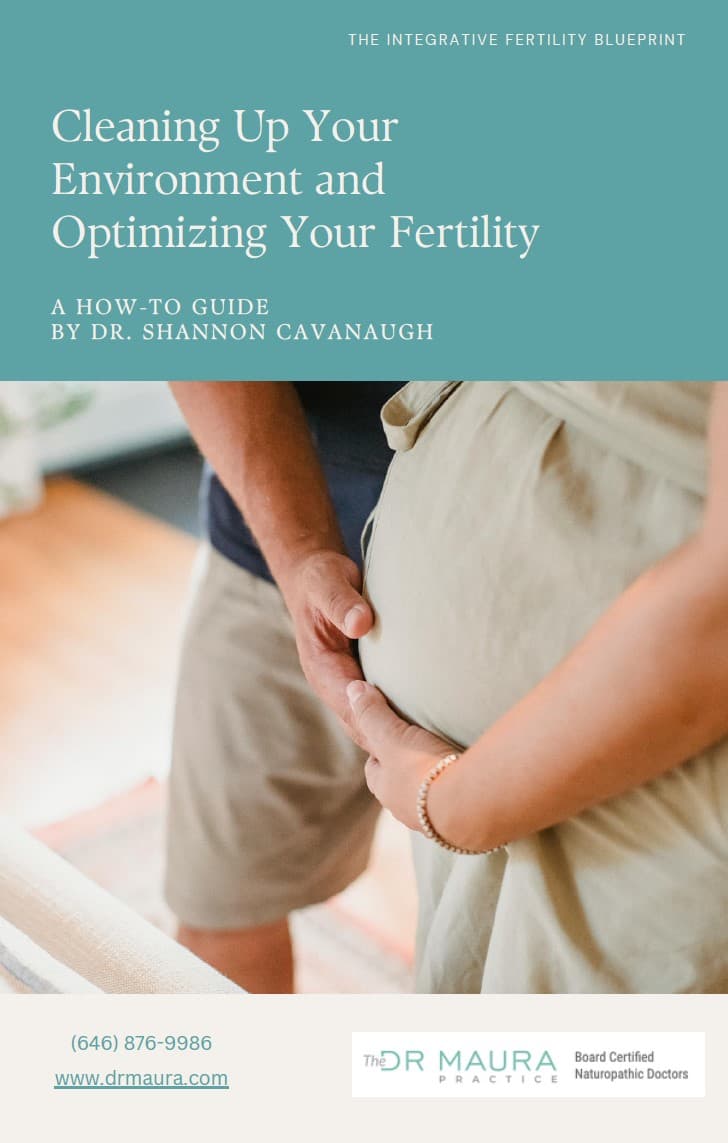
Cleaning Up Your Environment & Optimizing Your Fertility
by Dr. Shannon Iselin
A practical guide to reducing everyday environmental toxins while preparing your body for a healthy pregnancy.
Get the free e-book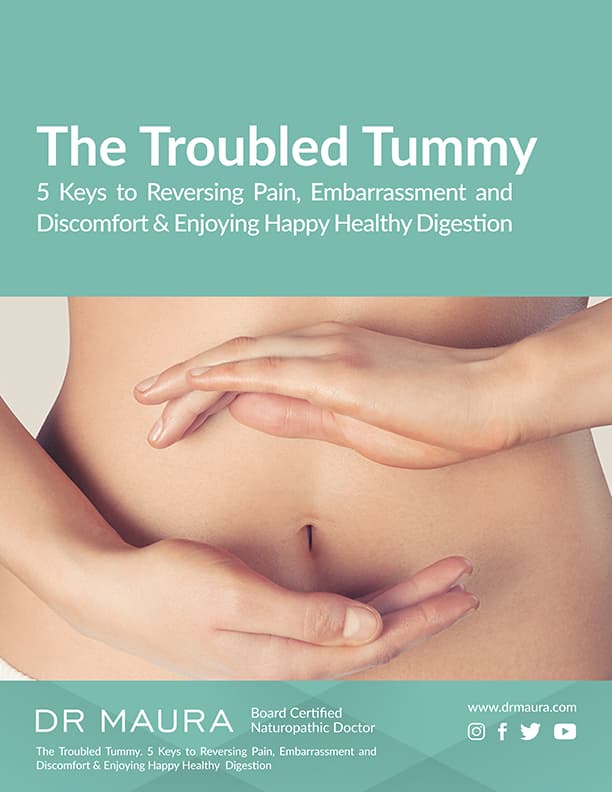
The Troubled Tummy
by Dr. Maura Henninger
Five keys to reversing pain, embarrassment, and discomfort so you can enjoy happy, healthy digestion.
Get the free e-book