Restoring rhythm and ease in digestion
Naturopathic Treatment for Constipation
Bloating, heaviness, and incomplete digestion are not patterns you have to live with. Flora's naturopathic doctors identify what your digestive system needs to move consistently, so your body can return to comfort and balance.

Digestive regularity
The importance of digestive regularity for whole-body health.
Constipation is incredibly frustrating and uncomfortable, especially when bloating, heaviness, or incomplete digestion become part of daily life. These patterns are not permanent, and they are often signs that your body needs more specific support.
Naturopathic constipation treatment focuses on identifying what your digestive system needs to function more smoothly. With Flora naturopathic support, digestion will begin to move more consistently, bloating can ease, and your body can return to a greater sense of comfort and balance.

Root causes
What causes constipation?
Constipation is rarely just about digestion moving slowly. For many people, it develops when systems that support elimination fall out of balance over time. Factors such as hydration, digestion, nervous system signaling, hormone levels, and gut health all play a role in how efficiently the body eliminates.
When one or more of these systems is under strain, bowel movements can become difficult, incomplete, or inconsistent. Understanding what is contributing to constipation helps move care beyond short-term solutions and toward lasting improvement.
Common patterns
Patterns that contribute to constipation.
Constipation often reflects a combination of patterns. These patterns can affect how food is digested, how waste moves through the colon, and how the nervous system regulates elimination. Identifying which of these patterns are present allows naturopathic care to be more specific and effective.
Slowed gut motility or disruption of the migrating motor complex
Low stomach acid, bile flow, or digestive enzyme production
Dehydration or insufficient dietary fat intake
Gut imbalances such as dysbiosis, SIBO, or yeast overgrowth
Difficulty tolerating fiber or excessive fiber intake
Stress-related nervous system dysregulation
Structural factors such as pelvic floor dysfunction or scar tissue
Hormones & digestion
Understanding the link between hormones and bowel movements.
Restoring hormonal balance is often a key step toward improving digestive function and reestablishing a comfortable rhythm.
Thyroid Hormones
Thyroid hormones influence how quickly the digestive tract moves. When thyroid activity is lower, gut motility may slow, making bowel movements less frequent or harder to pass.
Stress Hormones
Cortisol affects communication between the brain and gut. Ongoing stress or elevated cortisol can disrupt digestive signaling, contributing to sluggish or incomplete elimination.
Sex Hormones
Changes in estrogen and progesterone can affect bowel regularity. Many people notice constipation worsen before their period, during perimenopause, or after pregnancy as hormone levels fluctuate.
Bacterial imbalance
How SIBO and IBS can affect constipation.
For some people, constipation persists because digestion is being influenced by conditions that affect gut movement rather than stool alone. Two common contributors are constipation-dominant IBS and small intestinal bacterial overgrowth.
SIBO can slow gut motility, making bowel movements feel sluggish, incomplete, or difficult to regulate. This pattern is frequently seen in people with IBS-C and can cause bloating, gas, and symptoms that do not fully respond to diet changes alone. When these patterns are present, identifying them is an important step toward more effective and lasting relief.

Breath testing
Root-cause care
Lasting relief
Flora Labs
Finding clarity with Flora Labs.
When constipation has been persistent or confusing, it can be hard to know what will actually help. Testing brings clarity by showing what is influencing digestion in your body specifically, so you are not left guessing or cycling through short-term fixes. Each test is selected to help explain why symptoms are happening and where support will be most effective.
SIBO Breath Testing
If bloating, gas, or sluggish digestion have been ongoing, this test helps determine whether gut bacteria are slowing digestive movement. Methane-dominant patterns are commonly linked to constipation and can explain why symptoms have not improved yet.
Comprehensive Stool Analysis
This testing looks at how well digestion is working overall. It helps identify imbalances in gut bacteria, yeast, inflammation, and markers that affect stool consistency and elimination, offering insight into what your digestive system needs to function.
Hormone and Nutrient Testing
Hormones and nutrients play an important role in digestive rhythm. This testing helps assess thyroid and stress hormones, along with nutrients such as magnesium, iron, and B vitamins that support regular bowel movements and energy.
Food Sensitivity or Immune Reactivity Testing
When digestion feels reactive or inflamed, this testing can help identify immune triggers that may be contributing to ongoing discomfort or irregularity.
Your treatment plan
Constipation treatment guided by your results.
Once testing helps clarify what is influencing constipation, treatment can be focused and intentional. Support is guided by how your digestion, hormones, nervous system, and gut bacteria are functioning, rather than relying on generic solutions.
Supporting Digestive Movement
When motility is slow, treatment focuses on helping digestion move more smoothly. This may include targeted nutrients, digestive aids, or mineral support to improve stool consistency and reduce strain during elimination.
Restoring Microbiome Balance
If testing shows SIBO or bacterial imbalance, care is designed to rebalance the gut environment. Supporting the microbiome can help reduce bloating, gas, and sluggish digestion that contribute to constipation.
Nutrition That Supports Regularity
Food recommendations are tailored to your digestive patterns. The goal is to support motility and comfort without unnecessary restriction, helping digestion feel more stable and less reactive.
Addressing Hormonal Influences
When thyroid or stress hormones are contributing to constipation, treatment may include support to restore hormonal balance and improve digestive rhythm, especially during times of hormonal transition.
Calming the Gut-Brain Connection
Stress and digestion are closely linked. Nervous system support can help improve communication between the brain and gut, making bowel movements feel more consistent and less effortful.
Hydration and Mineral Balance
Adequate hydration and mineral support are essential for healthy elimination. Addressing these foundations can make a meaningful difference in stool consistency and overall digestive comfort.
Memberships
Membership-based naturopathic care, built around you.
Ongoing digestive support can make a meaningful difference as your body responds and patterns begin to shift. With flexible memberships and virtual visit options, care continues without restarting each time symptoms change, helping you maintain progress and support digestive balance over time.
Explore membershipsMoving forward
Your path to lasting digestive relief.
Constipation does not have to be something you manage indefinitely. When care is guided by what your body needs, digestion can become more predictable, comfortable, and easier to live with. Flora Naturopathic Doctors help you understand what is happening, identify the right next steps, and move toward lasting relief at a pace that feels right for you.
Patient feedback
Hundreds of patients, in their own words.
4.9/5
from 213 Google reviews


Your symptoms are signals
Let's turn them into a plan.
Book your first telehealth visit and start uncovering the root causes behind how you feel, with a plan built around your history, labs, and goals.
Free e-books
Doctor-written guides you can start reading today.
Download free e-books from Flora's doctors and take the first steps toward better health at home.

Cleaning Up Your Environment & Optimizing Your Fertility
by Dr. Shannon Iselin
A practical guide to reducing everyday environmental toxins while preparing your body for a healthy pregnancy.
Get the free e-book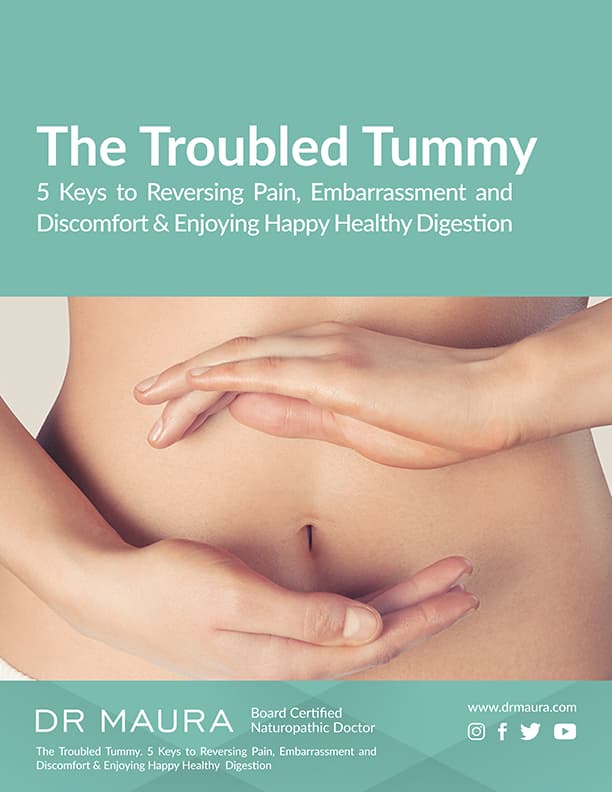
The Troubled Tummy
by Dr. Maura Henninger
Five keys to reversing pain, embarrassment, and discomfort so you can enjoy happy, healthy digestion.
Get the free e-book