Naturopathic support for Crohn's disease & ulcerative colitis
Inflammatory Bowel Disease (IBD) Treatment
Living with IBD often means not knowing how your body will respond from one day to the next. Flora's naturopathic doctors help you understand what is contributing to ongoing inflammation and support more consistent digestive function, alongside your conventional care.

Steadier days
Restoring your body’s stability, one layer at a time.
Living with inflammatory bowel disease often means not knowing how your body will respond from one day to the next. That unpredictability can affect more than digestion. It can shape how you plan your meals, energy, routines, and sense of control.
Treatment at Flora Naturopathics is designed to help you understand what is contributing to ongoing inflammation and support more consistent digestive function, whether symptoms are related to Crohn’s disease or ulcerative colitis.
Understanding IBD
What is inflammatory bowel disease (IBD)?
Inflammatory bowel disease (IBD) is a group of chronic inflammatory conditions that affect the digestive tract. The two primary forms of IBD are Crohn’s disease and ulcerative colitis. Both involve immune dysregulation and persistent inflammation, but they affect the digestive tract in different ways.
IBD differs from irritable bowel syndrome (IBS) because it involves measurable inflammation and structural changes in the gastrointestinal tract, not only functional digestive symptoms.
Types of IBD
Types of inflammatory bowel disease.
Crohn's Disease
Crohn's disease can affect any part of the digestive tract, from the small intestine to the large intestine. Inflammation may involve deeper layers of the intestinal wall and can occur in patchy areas. Because Crohn's disease impacts the immune system broadly, it can affect nutrient absorption, energy levels, and overall resilience beyond digestion alone.
Ulcerative Colitis
Ulcerative colitis affects the colon and rectum and typically involves continuous inflammation along the inner lining of the bowel. Symptoms often center around bowel urgency, diarrhea, and rectal irritation, though fatigue and systemic effects are also common during active inflammation.
Symptoms
How inflammatory bowel disease can affect the body.
IBD can reach beyond the digestive tract, affecting energy, concentration, joints, and skin, especially during active inflammation.
Digestive symptoms
- Abdominal pain or cramping
- Diarrhea, loose stools, or bowel urgency
- Bloating or discomfort after eating
- Nausea or reduced appetite
- Blood or mucus in stool during active inflammation
Whole-body symptoms
- Fatigue that does not improve with rest
- Weight loss or difficulty maintaining muscle
- Brain fog or low concentration
- Joint discomfort or body aches
- Skin changes or irritation
Root causes
What can trigger IBD-related inflammation?
Inflammatory bowel disease develops when multiple systems involved in digestion, immunity, and regulation fall out of balance. These shifts are often cumulative and rarely caused by a single choice or factor. Addressing these patterns helps reduce inflammatory load and support more stable gut function.
Gut Microbiome Imbalance
Disruptions in gut bacteria can alter immune signaling and weaken the gut barrier. Antibiotics, infections, diet, and chronic inflammation may contribute.
Impaired Digestion
Low stomach acid, reduced digestive enzymes, or poor bile flow can lead to incomplete digestion and increased irritation within the GI tract.
Intestinal Barrier Breakdown
When the gut lining becomes compromised, substances pass through more easily, intensifying immune responses and sustaining inflammation.
Nutrient Depletion
Chronic inflammation and malabsorption can deplete nutrients such as iron and vitamin D, affecting energy and immune balance.
Chronic Stress
Ongoing stress alters immune regulation and slows gut healing, making inflammation harder to resolve over time.
Flora Labs
Lab testing to better understand your IBD pattern.

We use targeted testing to identify what is driving inflammation and digestive instability, then create a treatment plan designed to calm inflammation, restore digestive function, and reduce ongoing flares. Results are reviewed together to guide treatment decisions and support a more stable, individualized care plan.
- 01
Comprehensive Stool Analysis
Evaluates digestion, inflammation markers, and the gut microbiome. This testing helps identify bacterial imbalances, yeast overgrowth, parasites, and signs of intestinal inflammation associated with Crohn's disease and ulcerative colitis.
- 02
Breath Testing
Breath testing is used when small intestine involvement is suspected. It can help identify patterns such as bacterial overgrowth that may worsen inflammation, bloating, or nutrient malabsorption.
- 03
Nutrient and Systemic Testing
Assesses nutrient levels commonly affected in IBD, including iron, B12, folate, vitamin D, and zinc. Additional testing may be used to evaluate stress response, hormone patterns, or environmental exposures when relevant.
Our approach
Treating inflammatory bowel disease at the root level.
Our naturopathic approach to inflammatory bowel disease focuses on addressing the root drivers of gastrointestinal inflammation through personalized, integrative care that considers the connection between body, mind, and environment.
Anti-inflammatory nutrition
Nutrition support helps reduce irritation and make eating easier during flares and recovery.
Digestive support
Digestive support helps improve breakdown, absorption, and overall comfort.
Gut lining repair
Care supports the intestinal lining and helps the digestive tract recover from irritation.
Microbiome balancing
Microbiome support helps address imbalances that can worsen inflammation and digestive symptoms.
Immune regulation
Treatment supports healthier immune signaling and helps calm ongoing inflammation.
Nutrient repletion
Replenishing depleted nutrients supports energy, repair, and overall resilience in the digestive system.
Stress and nervous system support
Nervous system support helps reduce the effects of stress on digestion and healing.
Memberships
Ongoing support as your needs change.
Inflammatory bowel disease is a long-term condition, and care is often most effective when it is consistent rather than reactive. Ongoing support allows treatment to adjust over time as inflammation, digestion, and tolerance change, helping protect nutrient status, energy, and overall resilience.
Explore membershipsPatient feedback
Hundreds of patients, in their own words.
4.9/5
from 213 Google reviews


Your symptoms are signals
Let's turn them into a plan.
Book your first telehealth visit and start uncovering the root causes behind how you feel, with a plan built around your history, labs, and goals.
Free e-books
Doctor-written guides you can start reading today.
Download free e-books from Flora's doctors and take the first steps toward better health at home.

Cleaning Up Your Environment & Optimizing Your Fertility
by Dr. Shannon Iselin
A practical guide to reducing everyday environmental toxins while preparing your body for a healthy pregnancy.
Get the free e-book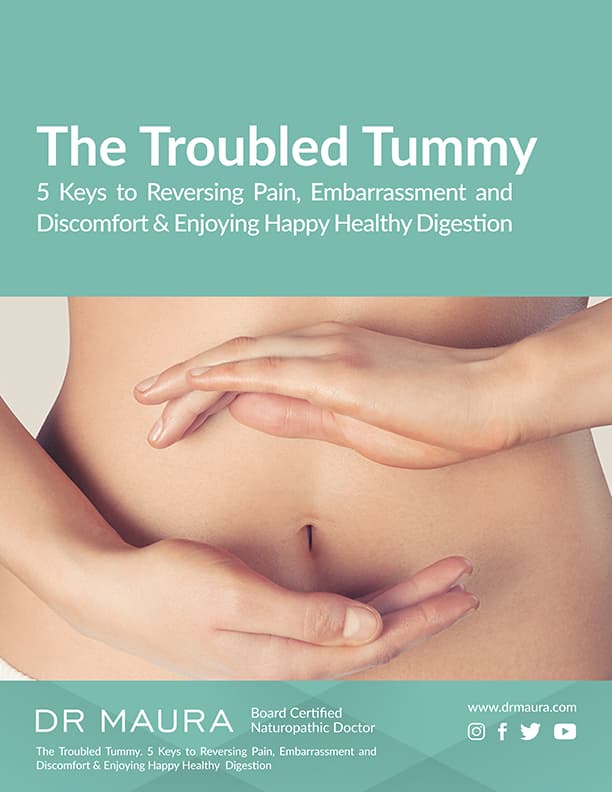
The Troubled Tummy
by Dr. Maura Henninger
Five keys to reversing pain, embarrassment, and discomfort so you can enjoy happy, healthy digestion.
Get the free e-book