Understanding what your gut is trying to say
Gas and bloating treatment, starting with why.
Bloating that builds through the day and gas without a clear pattern are signals that digestion is under strain. We listen to those signals, find the why, and help you feel comfortable after meals again.

Gas & bloating
When bloating and gas become part of daily life.
Bloating can feel like pressure that builds as the day goes on. Gas may show up without a clear pattern, or it may follow certain meals consistently. You may have already tried removing gluten, cutting dairy, or changing how you eat, only to still end the day feeling uncomfortable or distended.
These symptoms are common, but they are not superficial. They are often signals that digestion is under strain and asking for support.
Root causes
Why do gas and bloating happen?
Gas and bloating often occur when digestion slows or becomes inefficient. Frequent drivers include SIBO and food sensitivities, but contributing factors span digestion, microbes, hormones, and stress.
Digestive function
Gas commonly results from fermentation, when food is broken down by bacteria before it is fully digested.
- Low stomach acid or pancreatic enzyme output
- Sluggish motility or delayed movement through the small intestine
- Difficulty with elimination, inflammation, or fluid retention
Microbial imbalance
The wrong microbes in the wrong place produce excess gas and irritation.
- Small intestinal bacterial overgrowth (SIBO), a frequent driver of excess gas
- Imbalances in the gut microbiome or gas-producing bacteria
- Overgrowth of candida or methane-producing microbes
Food, hormones & stress
What you eat and how your body is regulating both shape digestion.
- Food sensitivities, including FODMAPs, dairy, gluten, or high-histamine foods
- Hormonal patterns affecting digestion, such as low thyroid or elevated cortisol
- Stress-related disruption of the gut-brain connection
Signals
Signs your gut needs support.
Gas and bloating are often part of a broader pattern that suggests digestion or motility may not be functioning optimally. You may also notice:
Nausea or heaviness after meals
Inconsistent bowel habits
Upper abdominal discomfort
Brain fog or fatigue after eating
Increased sensitivity to foods
Evaluation
How digestive imbalance is evaluated.
Care begins by understanding your experience: when symptoms started, what makes them better or worse, and how they interact with stress, diet, and hormones.
When helpful, testing may be used to clarify patterns, such as stool analysis, breath testing for gas patterns, nutrient status, or hormone-related influences. The goal is not to test everything, but to gain clarity where symptoms have been persistent or confusing.
Our approach
How we address gas and bloating.
Support focuses on improving how digestion functions rather than simply quieting symptoms. Telehealth appointments create space to understand what may be contributing to digestive discomfort, and care is personalized and may include:
Nutritional strategies to reduce fermentation and calm inflammation
Digestive support with enzymes, bitters, or hydrochloric acid when appropriate
Gut repair with targeted herbs, probiotics, and mucosal support
Microbial balancing, including support for SIBO when indicated
Nervous system regulation to improve gut-brain signaling
Hormonal support when cortisol or thyroid patterns affect digestion
Daily rhythms
The role of food and stress.
Some foods are harder to digest when the gut is inflamed or sluggish, but this does not mean elimination is permanent. Short-term strategies such as low-FODMAP or anti-inflammatory approaches may be used to reduce symptoms while digestion recovers.
Stress plays a significant role as well. When the body remains in a fight-or-flight state, digestion cannot function optimally. Supporting sleep, stress resilience, and nervous system balance is often an important part of restoring comfort after meals.

Flora Labs
Labs for clear answers.
When symptoms feel persistent or unclear, lab testing can help identify what may be contributing to gas and bloating. Results are reviewed with guidance so next steps feel informed and intentional.

Collect at home
Review together
Act with clarity
Memberships
Memberships for ongoing support.
For those who want continued guidance as digestion improves, memberships offer ongoing care with regular check-ins and adjustments as patterns shift over time.
Explore membershipsPatient feedback
Hundreds of patients, in their own words.
4.9/5
from 213 Google reviews
 Maggie Wetzel★★★★★Definitely would recommend Dr. Patel and Flora Naturopathics. I was diagnosed with hashimoto's when I was 13 and have been on a pretty high dosage of Levothyroxine since then. After working with Dr. Patel for ~7 months, my bloodwork no longer shows any signs of thyroid antibodies and I've been able to lower my Levo dose down to the lowest it's ever been. I've greatly appreciated his kindness, attention to detail and willingness to listen to my concerns. That's something you unfortunately don't get a lot of during standard doctors visits. It's an investment but in my mind it's been so worth it. Many thanks to Dr. Patel and the entire Flora team!Read full review
 R Geer★★★★★Dr. Patel is amazing! Really listens and has an amazing grasp on his expertise. I’ve recommended him to so many people - can’t say enough how much I appreciate his work!Read full review
 Melissa Juron★★★★★Dr. Patel is great! He listens and spends time actually understanding your personal wellness needs. I highly recommend him.Read full review
 David Barnett★★★★★Dr Maura Henninger was referred to me by my daughter who had been suffering from several stomach issues. She told me after working with her, she has felt better than she has in years.I’ve been struggling from Barrett’s esophagus for about eight months. After the diagnosis it’s been difficult finding a doctor that would help manage my constant pain until I started working with Dr. Henninger. She’s attentive, thoughtful, and tailors a program specifically to improve your health and well-being. Additionally, she is proactive when necessary, adjusting to the needs of each patient. After each consultation she provides a helpful summary that’s extremely important for future reference.I’m delighted to share this review, and I hope it can reach anyone in need of finding a doctor that will provide that personalized approach to help manage their medical situation.Now the majority of my days are pain free. I consider myself fortunate I found Dr. Henninger!Read full review
 Elizabeth Sweigart★★★★★Absolutely love working with Dr. Stephenie Pisacano! She has been so supportive during my pregnancy and really helped me in times of need. I love her down to earth, compassionate and confident approach. She is a wealth of knowledge and speaks from experience. I recommend anyone who is trying to conceive, is already pregnant or has suffered a loss to see this amazing woman. She has been an Angel to me in all regards. Can’t speak highly enough about her. Thank you Dr. Stephenie! ❤️Read full review
 Payge Corazzini★★★★★I’ve worked with Dr. Stephanie Pisacano and I have nothing but great things to say about her. I wasn’t really feeling heard in the western medical world, so I made an appointment with Dr. Pisacano and instantly, I knew I was in good hands. She’s easy to talk to, makes you feel heard and genuinely wants to help you. She’s great at communicating and educating you on why she’s doing what she’s doing, I can’t recommend her enough!Read full review
 Amanda Unterreiner★★★★★Dr. Patel is amazing! He’s knowledgeable, understanding, and truly cares about your health. My daughter and I have both been his patient and he has helped us with digestive and hormonal problems. I’m grateful for his guidance in my health journey.Read full review
 Allie Silvershein★★★★★I’ve been working with Dr. Patel for almost a year and have had a truly excellent experience. He takes the time to really listen, asks thoughtful and targeted questions, and focuses on getting to the root of concerns rather than just treating symptoms. I especially appreciate how encouraging and nonjudgmental he is. He meets you where you are and creates a plan that feels realistic and sustainable. I’ve seen meaningful improvements, including lower inflammation markers, which has been incredibly validating. He’s also very responsive to emails and follow-up questions, which makes a huge difference. I always feel supported, genuinely enjoy our visits, and highly recommend working with Dr. Patel!Read full review
 Michelle Williams★★★★★Dr. Patel is wonderful to work with. He is so thorough and knowledgeable and has taught me more about my health than any doctor I have spoken with. He doesn’t just treat symptoms; he promotes healthy living!Read full review
 Ingrid Hansen★★★★★Dr. Maura is the epitome of professional and informed. We've been working together for over a year now and I'm so grateful for the personal transformations I've experienced under her careful and considered direction.Read full review
 Savvy Hedrick★★★★★Dr. Maura Henninger was absolutely a pleasure to work with. I've struggled with cystic acne and was fearful of getting off spironolactone, but Dr. Henninger gave me the peace and confidence to create a transitional plan that didn't overwhelm me. I've been off for six months and my adrenal levels are restored, and based on her professional opinions I have tackled all my fears of skin and have never felt better, inside or out. Thank you so much!!!Read full review
 velina gerova★★★★★I have been working with Dr Iselin for few months now and I can confidently recommend her services. I turned to Flora because I stopped taking birth control which I was taking for over 10 years because of extremely painful periods and bad stomach pain every month. Without boring you with too many details, I have never received a diagnosis for the past 15 years aside that I was diagnosed with PCOS 15 years ago and ever since then, every doctor just went with it. The reason I turned to naturopathic medicine was because I felt like it was not just that and I was right. Turned out the problem was coming from my gut and my thyroid and not the PCOS. Dr Iselin recommended doing a few tests and discovered the issue, she offered a holistic approach with some diet and lifestyle changes as well as supplements and I have now had 3 consecutive regular periods that I didn't even have to take a pain relief for which if anyone told me this will be the case some day, I would probably just laugh :) anyway, I am so glad I went this route and I trusted Dr Iselin, she is such a wonderful human and a knowledgable professional so if you are reading this and wondering is you should give it a try, I think you should :) Thank you Dr Iselin!Read full review
 Yolanda Santos★★★★★I've been seeing Dr. Patel for almost a year now, and it's been one of the best decisions I've ever made. I started seeing him when I thought I had nothing to lose. I'd been seeing all kinds of specialists (neurologists, PCPs, gynecologists, and gastroenterologists) for over a year, and they all told me everything was fine. My symptoms were so severe that I literally couldn't get out of bed or do any of my daily activities without feeling extreme fatigue and symptoms that I still can't quite figure out, and just remembering them makes me sad. From day one, the doctor was incredibly empathetic and knowledgeable. He sent me for several blood tests and other tests I'd never heard of before, where they found about six different diagnoses (SIBO, leaky gut, sluggish liver, functional hypothyroidism, estrogen dominance, and adrenal fatigue). Today I can say that thanks to God, Dr. Patel, and my desire to be well and healthy again, I feel good, energetic, eager to live, and, above all, healing more every day. Thank you, Dr. Patel.Read full review
 Ryan Williams★★★★★Dr Patel is the best!! Very insightful and accommodating. Has helped my overall health tremendouslyRead full review
 donna aust★★★★★My experience with Dr.Kellie Moore was wonderful. She listened to my health concerns with great patience, kindness and professional expertise, asked all the right questions, and followed up with the necessary and very thorough labs to address my needs. Our subsequent visit entailed a detailed review of my labs and a personalized, holistic plan to address my health issues. She is open and flexible to offer alternative options since what works for one doesn’t always work for all. I would recommend Dr. Kellie Moore for anyone who is looking for alternative ways to maintain health and/or address health issues from a holistic approach.Read full review
 Peter Ganovsky★★★★★Been working with Dr. Patel for a few years to address a couple of issues with my health that other doctors/research have not been able to help with. Dr. Patel is always so kind, such a good listener and makes me feel like I can actually get somewhere with my problems. I really believe I can trust him. His knowledge, spirit and support is incomparable. Would highly, highly, highly recommend those feeling exacerbated and let down by traditional doctors, medicines and other systems to look into Flora.Read full review
 Rich Guido★★★★★Dr. Maura has been a huge help in finding the right diet that works for me and balancing it with the right mix of supplements. After working with Dr. Maura for 6 months I am feeling the best I have in years.Read full review
 Annie Eugenio★★★★★Dr. Maura has truly transformed my day-to-day life! She takes the time to genuinely listen and understand my concerns, and her suggested remedies have worked to enhance my daily well-being. Thanks to her guidance, challenges I’ve faced for years have finally been resolved.I also appreciate her kindness and patience throughout this journey. It’s clear she genuinely cares and always has my best interests at heart. I’m so grateful for her expertise and support.Read full review
 Jess Duque★★★★★I cannot recommend Dr. Lamoreux enoughI sought his help after struggling with very intense PMDD symptoms for years, and finding no solutions from OGBYNs or PCPs so I wanted to explore a more holistic approach before considering SSRIs, which I viewed as a last resort for myself. From the beginning, what stood out most was not only his extensive knowledge, but also how genuinely invested he was in finding a solution that worked for me.Rather than taking a one-size-fits-all approach, Dr. Lamoureux carefully evaluated my symptoms, listened to my concerns, and worked with me through a process of trying different supplements and minor lifestyle adjustments. At each follow up, we reassessed how I was feeling both physically and mentally and adjusted the plan as needed.The results have truly been life changing. Over my last several cycles, I have experienced minimal to no PMDD symptoms, something I honestly never thought would be possible, and for the first time in years...I feel like myself.I have been so impressed with my experience that I have referred and recommended him to both family members and friends. That alone speaks to the level of trust I have in his care.If you are struggling with PMDD or hormonal health concerns, please know that you are not alone and that there ARE options for you. Dr. Lamoreux helped me find answers when I truly thought there might not be any, and I am incredibly grateful for his guidance and support!! CANNOT recommend enoughRead full review
 Dylan★★★★★Dr. Patel has completely changed my quality of life. I had been struggling with gut issues for about a year and had previously been prescribed medication that seemed to keep making things worse. I had leaky gut and SIBO, and with Dr. Patel’s help, we did a full gut reset. I’m now able to live my life normally again, and my gut health continues to get better. I couldn’t recommend him enough.Read full review
 Terry Lynn Purse★★★★★Dr Ronak Patel had been a life saver. He’s the most compassionate doctor I’ve ever had the pleasure of meeting .I came to him at a loss and very frustrated with some ongoing unresolved health issues.To make a long story short I felt like my body was working against itself…attacking itself. Infection after infection…never ending antibiotic…I felt like I was living in a state of fight or flight. High cortisol…All while working with a hormone positive breast cancer diagnosis and new hormone blocker meds.He listened, he researched, he studies me and what I could and could not take with my cancer.I would highly recommend Dr. Patel.You won’t regret it.Read full review
 Lindsay Riggenbach★★★★★I can’t say enough great things about Dr. Patel.He has taken a completely different approach to my health by truly looking at the whole picture and focusing on finding the root cause rather than just masking symptoms. His kindness, professionalism, and knowledge immediately put me at ease, and I genuinely feel that he cares about my long-term health and longevity goals. I fully trust him with my health and have already shared his contact with so many friends and family members who are also searching for answers. Highly recommend!Read full review
 Hannah Goldwitz★★★★★Dr. Stephenie Pisacano has been absolutely incredible since my very first visit with her. I originally came to her struggling with persistent bloating after eating anything, fatigue, period pain, and a range of other frustrating symptoms that were seriously affecting my daily life. I was feeling drained, uncomfortable, and frustrated with not getting clear answers elsewhere. Through testing and a very thorough approach, she helped get to the root of these issues, and I’ve experienced significant improvement since starting seeing her!What stands out most is how deeply she listens. In the past, I’ve often felt rushed through appointments or like my concerns weren’t fully heard, but Dr. Pisacano is completely different. She takes the time to truly understand everything I’m experiencing and never dismisses any detail.I genuinely feel cared for as a patient, not just treated for symptoms. I’m so grateful to have found her and highly recommend her to anyone looking for a compassionate, attentive, and knowledgeable doctor. She has been life changing to me!Read full review
 Ria Anne★★★★★Dr. Stevie Pisacano has helped me so much. She is so thoughtful and thorough in how she goes over each of my health concerns with me. I’ve been working with her for a while now and have seen such a turn around in my life thanks to being under her care. Thank you Stephanie !!Read full review
 Cristina F★★★★★Dr. Patel is a wonderful physician. Compassionate, empathetic and really takes the time to explain everything in detail. He listens carefully to your concerns and addresses them in a systematic manner that makes sense.Read full review
 Mishay Petronelli★★★★★Dr. Maura is such a saint. She not only is an expert in her field, she is also such a patient and wonderful human. She definitely helped me get the root problem of everything I was dealing with for years. I felt like I was in the best hands the minute I met with her. She really changed my life. I am beyond grateful to her and would recommend her over and over again. Thank you so much Dr. Maura for everything.Read full review
 James D★★★★★I can’t recommend Dr. Patel enough. The way he approaches healing from the inside out is truly unlike any other experience with traditional medicine. He takes the time to find the root cause and address it head on. I learned more about my health in just a few months with Dr. P than I have my entire life. He’s incredibly knowledgeable, genuinely cares about his patients, and will take the time to listen and explain things in a way that is easy to understand. I’ve referred multiple friends and family member to him and the Flora practice, and I would highly encourage everyone to work with him. Whether you want to address a specific issue, or optimize your overall health, Dr. P is the best!Read full review
 Jacqueline Kaider★★★★★I can confidently say finding Dr. Patel at Flora Naturopathics changed my life and I don’t say that lightly.A few years ago, seemingly out of nowhere, my body felt like it had turned against me, even though my lifestyle hadn’t changed and I was already taking good care of myself. I suddenly developed rapid, unexplained weight gain, hair loss, fatigue, brain fog, inconsistent periods, spotting, skin hives, and the return of stubborn acne. I went to every traditional doctor you can imagine (primary care, dermatologist, gynecologist, gastroenterologist, endocrinologist) and all I ever got were prescriptions and dismissive advice. Each visit ended with, “try this pill,” and a focus on my BMI instead of the long list of other symptoms I was experiencing.Then, after discovering holistic and functional medicine on TikTok, something clicked. I spent weeks researching and trying to find a practice near me that was similar to the ones I saw people talk about online. There weren’t many options nearby, and most I found leaned toward traditional wellness practices like acupuncture and yoga, rather than a science-based approach with real testing. Then I came across Flora Naturopathics.I was nervous at first financially investing in something I wasn’t sure would work (especially after being “blown off” by so many other doctors) and not knowing anyone personally who had gone this route. But taking that leap was the best decision I’ve made for my health. During my very first appointment, Dr. Patel spent a full hour (something you rarely get in traditional medicine) truly listening to me. He didn’t dismiss my concerns or rush through my story. He connected the dots between all my symptoms and created a personalized plan for testing that was both thorough and financially mindful.Within just a few months of being tested and getting treated, everything changed. My acne (which I’d battled since age 13 through Accutane, facials, endless creams, spironolactone, etc) finally cleared up. The mysterious weight melted off. My energy came back. And even my lifelong stomach sensitivity issues disappeared. For the first time in years, I felt like myself again.If you’ve been dismissed, brushed off, or told “everything looks normal” when you know something’s not right please go to Flora Naturopathics. They are compassionate, incredibly knowledgeable, and truly care about finding the why behind your symptoms, guiding you toward natural, lasting healing rather than just masking issues with medications. I’ve already referred multiple friends, and I’ll continue recommending them to anyone who wants to actually heal, not just manage symptoms.Read full review
 Hena Ali★★★★★Dr. Maura was recommended to me by a friend after I shared my frustration with Western medicine and the repeated attempts by doctors to diagnose my daughter with Crohn’s simply because no other diagnosis seemed to fit. After months of dozens of appointments and no clear answers, we were blessed to find Dr. Maura. With just two tests, she identified that my daughter had a repairable leaky gut.If we had not found her, we would have been forced to treat our daughter for a condition she didn’t even have—causing more harm to her body. This problem began in the first place from the overuse and over-diagnosing of antibiotics.One year later, thanks to Dr. Maura’s immediate and proper care, my daughter is healed. We now have a clear plan to sustain her health and prevent future sensitivities. Throughout this journey, Dr. Maura has been consistently available—answering countless emails and phone calls without hesitation.I want to wholeheartedly say thank you. There is no greater joy or peace than knowing your child is healthy, and I am forever grateful for Dr. Maura’s care and guidance.Read full review
 Danielle★★★★★I have had such a great experience with Dr. Maura! She really listens, explains what is going on in your body, and provides answers that I spent years trying to get from other doctors. I feel like a new person. I couldn’t recommend her more!!!Read full review
 Stephanie Mc★★★★★I've been seeing Dr. Patel for a few months now and I can honestly say it's been such a life changing experience. From day one, he took the time to truly listen and understand my concerns- not just symptoms but the root causes. I never feel rushed, and I always leave feeling supported and more in tune with my health. I can't wait to continue on my healing journey Thanks Dr. Patel!Read full review
 Pranto Podder★★★★★Dr. Patel is the real deal! Super attentive, kind, and genuinely invested in helping you grow and feel better. I’ve felt supported from day one, and you can tell he truly cares. So grateful to have him in my corner—highly recommend to anyone looking for a thoughtful and knowledgeable professional!Read full review
 Nisha Shah★★★★★I have been experiencing severe gut issues for the past 2 years. After multiple doctors, programs and various remedies nothing was helping me. I was fortunate to read about Dr. Maura about 4 months ago. Since then has helped me with such a simple approach/plan of natural supplements that have improved my condition 60-70% in just 6 weeks of taking the supplements. And her bedside manner is unbelievable. So kind and gentle and very knowledgeable. I couldn't recommend Dr. Maura more. She is amazing!Read full review
 Sarah Stein★★★★★Working with Dr. Maura has been such an encouraging and rewarding experience. She is incredibly knowledgeable and receptive. I really appreciate that her protocol was developed after genuinely listening to me, evaluating which biometrics to test, and then analyzing/ explaining the results. She is intelligent and so pleasant to work with. I've worked with other naturopaths (out of pocket care) in the past, but didn't experience the same level of care and attentiveness. She is truly worth it! The results have made an incredible impact on my life and I'm so grateful.Read full review
 Naz Pournaghshband★★★★★My experience working with Dr. Maura has been everything I had hoped for and more. Prior to meeting with her, I had spent an entire year suffering from awful gut and digestive issues. I met with doctors, specialists, did all the labs, exams, imaging and more - all to be told that "nothing is wrong". I knew my body was telling me otherwise, so when I found my way to naturopathic medicine, and Dr. Maura, I knew this was my only shot at healing.Holistic medicine of any kind takes time (you don't just pop a pill and quick fix things over night), but with Dr. Maura's guidance, knowledge and kindness, I can finally say that I am healed. I feel a bit emotional writing these words, because there was a time when I felt I would never reach this point, but with her help (and my own dedication), I made it!Naturopathic medicine should truly be the norm. The focus is on getting to the ROOT of the problem (which is often multiple things at play) and treating the body, mind and spirit as a WHOLE, not just throwing a band-aid on one thing.I am so excited to have found my way to naturopathic medicine and am grateful to Dr. Maura for her breadth and depth of knowledge and experience in the field. 10/10 recommend!Read full review
 Karin Dimitrovová★★★★★I’ve been working with Dr. Patel for several years at this point. He has been the only one who managed to help me solve health issues that were really influencing my quality of life. Even though all of my appointments are online, Dr. Patel really takes the time to listen and understand what I need. I’ve noticed big improvements since we started working together and I continue to seek his help for any issues that come up. If you’re looking for someone who truly cares and knows their stuff, I’d 100% recommend him.Read full review
 maria pini★★★★★I'm SO happy with the care I have received from Dr Maura Henninger. She took time to really listen to my symptoms and took proper measures to get to the bottom of things. I am happy to report I am feeling so much better only after a few months of supplements & slight diet changes. I am so thankful for Dr Maura!Read full review
 Jeremy Libby★★★★★I have been working with Dr. Stephanie for six months now, and the results have been nothing short of amazing. Before seeing her, I was looking for someone who could help me make real, lasting changes, and she has completely delivered. Dr. Stephanie truly takes her time during sessions, pays incredible attention to detail, and listens to your concerns. What I love most is how practical her approach is—she builds realistic routines and custom supplement protocols that actually fit into a busy life. I’ve experienced dramatic improvements in my overall health and wellness. If you are looking for a naturopathic doctor who genuinely cares and gets results, I cannot recommend her enough!Read full review
 Valeria Rodriguez★★★★★I've been working with Dr. Stephenie Pisacano, and I truly couldn't ask for a better experience. I had been struggling with persistent stomach issues for quite some time and had no idea what was causing them. Dr. Pisacano was incredibly patient, compassionate, and thoughtful in listening to all of my concerns.After following her recommendations for testing, diet, and supplements, I now feel better than I have in years. Not only have my gut symptoms almost completely resolved, but my energy levels, sleep quality, and overall mood have improved tremendously as well.I'm so grateful to have found such a caring and knowledgeable doctor. I can't recommend working with her highly enough!Read full review
 Amanda Mercurio★★★★★After some stressful life events that impacted my health, I decided to seek naturopathic care and was recommended to see Dr. Stephenie Pisacano from Flora Naturopathics. My care has been top notch, and with her help I've been feeling so much better and truly enjoying the lifestyle and supplementation recommendations that she made for me. Her specialization in gut health in particular was so insightful for what I was going through, and I truly felt like she took great time and care in creating my protocol. The whole practice in general has been so easy to work with, from the online portal & scheduling, to coordinating with the office manager for tests, etc... highly recommend this practice!Read full review
 Lucy Nystrom★★★★★I have worked with Dr.Pisacano and she is great! She helped me identify a histamine intolerance that had stumped all doctors in the past; even with extensive testing, no one had any idea and she immediately knew what was wrong and starting helping me make changes. She also ran different tests and labs such as DUTCH, gut, and generic SNPS testing. Working with her has really helped me understand the specific needs of my body and how to address underlying health issues and work through them. Highly recommend working with her and her team.Read full review
 Dilraj Kaur★★★★★I cannot recommend Dr. Ronak Patel highly enough. From the very first consultation, it was clear that he is incredibly knowledgeable and deeply committed to his patients’ well-being. What truly sets him apart is the time and care he puts into every appointment. He goes through reports line by line, explaining everything in a way that is easy to understand, while also making sure nothing is overlooked.He is exceptionally kind, patient, and attentive. You never feel rushed, and he genuinely listens to your concerns, which makes the entire experience feel very personalized and reassuring. His approach is thoughtful and thorough, combining expertise with a holistic understanding of health.Since working with him, I’ve noticed a remarkable improvement in how I feel overall. My energy levels have increased significantly, and I feel healthier and more balanced than I have in a long time. It’s rare to find someone who not only understands the science so well but also truly cares about helping you feel your best.If you’re looking for a naturopathy doctor who is both highly skilled and genuinely compassionate, he is absolutely outstanding.Read full review
 Marissa Vice★★★★★I dealt with the same symptoms for years and saw multiple providers without getting real answers or relief. Working with Dr. Lamoreux was a totally different experience. After doing some testing, he was able to quickly figure out what was actually going on and get me started on a solid path to treat the root cause.He’s really attentive, easy to talk to, and genuinely listens, which made a huge difference for me.I’d definitely recommend Flora Naturopathics to any woman who feels like she hasn’t been heard when it comes to her health. Such a refreshing experience!Read full review
 Isabel Hotop★★★★★After years of trying functional and conventional medicine, I thought I was doing everything I could to, “fix” my body and live a healthy lifestyle. I was on the brink of thinking that the symptoms I experience was just the way I was and that my body was broken or deficient in some way. Within 3 months, of working with Dr. Patel, everything shifted. My periods were completely regular and symptom free (SYMPTOM FREE!). My anxiety and panic attacks vanished. I stopped getting bloated after eating and more! I am now experiencing a wonderful and healthy pregnancy after working with him. Also, every person I’ve recommended to Dr. Patel has had a similar experience. If you need a sign to try one more time and invest in your health this is it. 10000% worth the financial investment!Read full review
 Nikita Patel★★★★★Cannot recommend them enough! I worked with Dr Patel and he really took the time to explain my bloodwork and test results (which no doctor had ever done before). We got to the root of my problem in a very short period of time and I am so grateful! This experience allowed me to understand my body like never before and understand how to make better health decisions for myself for the rest of my life.Read full review
 brianne gatz★★★★★I can’t say enough wonderful things about Dr. Maura. She truly goes above and beyond for her patients. From the very first appointment, I felt heard, supported, and cared for. She takes the time to listen to every concern, explain things clearly, and create a plan that actually fits my body and lifestyle.Since working with her, I’ve seen real improvements in my health and overall wellbeing — not just quick fixes, but sustainable changes that have made me feel like my best self again. Her compassion, knowledge, and genuine dedication to helping her patients heal is unmatched. I’m so grateful to have found her!Read full review
 Drew Roberts★★★★★I worked with Dr. Patel - he's great!Read full review
 Ted DeMers Jr.★★★★★Dr. Maura has been an incredible doctor for me, and I have immense gratitude for her work and support to help turn around my health. She is one of the best doctors you can find. I started working with her about a little more than a year ago, after dealing with a whole host of health issues that had me in a place of struggling to function on a day-to-day basis. Prior to our first meeting, I was in so much discomfort and pain that I couldn't keep up with my kids, I was struggling with getting through workdays and I couldn’t exercise at all. I had been bouncing from one doctor to the next, in complete frustration with the lack of answers, support, knowledge, and the reality that I was not improving. I was also dealing with numerous side effects from high dosed prescribed medications. Dr Maura is an expert, by far the most intelligent and thorough doctor I have ever worked with, and I have worked with a lot of them. Her comprehensive approach in testing and treating over the last year has been a life changer for me. I have never felt better, and my health has dramatically improved since we started working together. I have gone from barely functioning to being back in the gym, exercising every day and now running with my kids. Her knowledge, expertise and access to specialized testing and utilization of regular bloodwork has been so helpful to understand what is happening, to identify issues and to fix and optimize the issues and different levels as needed. While working with a functional medicine/naturopathic doctor is not covered by insurance, the majority of my bloodwork has been covered, and she has done well to help that. Dr. Maura has gone above and beyond for me in becoming my primary doctor and her office staff (Shelli) is always helpful and friendly in communicating, scheduling, getting lab forms. My wife is now a patient, and I have referred numerous friends to see her and her practice as well.Read full review
 Fiori LaFemina★★★★★I am so very fortunate to have been recommended to Dr. Patel. I started seeing Dr. Patel because I hadn’t had a period in 3 years( I’m currently 36). After multiple doctors telling me that my labs were “normal” and “it’s completely ok” to not have a period, I knew I needed to change where & who I was seeking medical advice from.My first appointment with Dr. Patel was super informative. For the first time I FELT HEARD. After completing my bloodwork, DUTCH test, & GI map, Dr. Patel started me on a handful of supplements & vitamins to support & heal my gut, thyroid & liver. From just those few supplements, I felt like a brand new person. The brain fog that I lived with every single day (which I thought was normal) was completely gone. My days were filled with endless energy & mental clarity. My digestion had also improved too. AND the best part… within just about 1 month, ONE MONTH, my period returned.I truly look forward to continuing my healing journey with Dr. Patel. His care & knowledge is living proof of how well our bodies can heal within the world of holistic careRead full review
 Caitlin Tam★★★★★I have been working with Dr Patel for the last six months after becoming frustrated with traditional doctors invalidating the stomach issues I was experiencing. Dr Patel listened to my concerns and prescribed several at home tests to get to the root of the problem. With his plan of supplements to repair my gut and regulate my hormones, I have seen profound improvements in my inflammation levels and general well being. I highly recommend Dr Patel!Read full review
 talia lioce★★★★★I am so thankful I found Dr. Shannon. I’m 16 years old and suffered from bad acne for the last few years. Dr. Shannon found out the underlying cause and I’ve been completely acne free for over a year now without taking any medication. Thank you!!Read full review
 Lydia Molina★★★★★Dr. Patel has literally saved my life! From the moment we had the initial consultation, I felt welcomed and cared for. He takes the time to explain every single detail about your health in a way that is clear, empowering, and unlike anything I’ve experienced with other doctors.After seeing a conventional GI doctor for a while and not getting better, I decided to seek a holistic approach and found Dr. Patel. He identified and addressed the underlying issues in my gut, helping to remove harmful bacteria and now guiding me through gut repair. His holistic approach, expertise, and genuine care have made all the difference in my health and quality of life. Forever grateful!Read full review
 Claudia Castaneda★★★★★If you have SIBO go to Dr. Patel10/10Read full review
 Allegra Seidler★★★★★I started seeing Dr. Patel in July, and he has helped me address issues that have been ignored (and even denied) by numerous MDs throughout my adult life. He is patient, kind, extremely knowledgeable, and truly concerned with/focused on getting to the root cause(s) of health problems. He spent time listening, recognized my concerns, and affirmed them. Through detailed analysis of recommended labs, combined with my medical history, and current symptoms, he was able to identify the causes. Now, only four months later, I have none of the issues I had been dealing with for years. My one regret is not seeing him sooner. Thank you SO much, Dr. Patel!Read full review
Your symptoms are signals
Let's turn them into a plan.
Book your first telehealth visit and start uncovering the root causes behind how you feel, with a plan built around your history, labs, and goals.
Free e-books
Doctor-written guides you can start reading today.
Download free e-books from Flora's doctors and take the first steps toward better health at home.
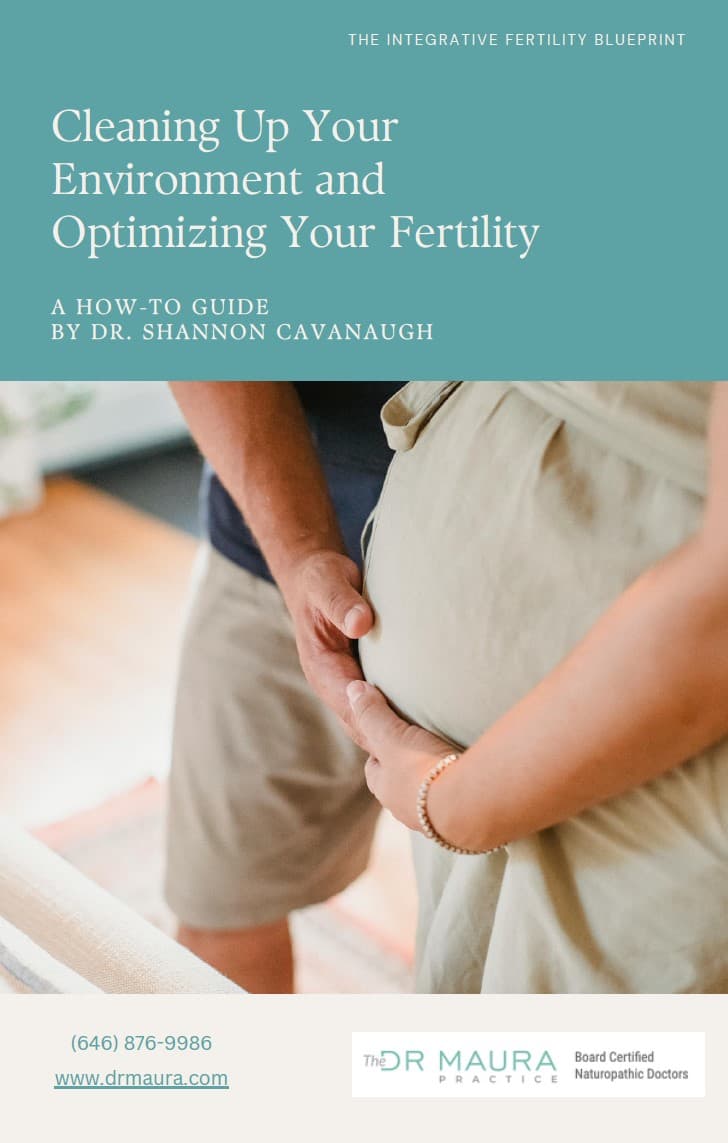
Cleaning Up Your Environment & Optimizing Your Fertility
by Dr. Shannon Iselin
A practical guide to reducing everyday environmental toxins while preparing your body for a healthy pregnancy.
Get the free e-book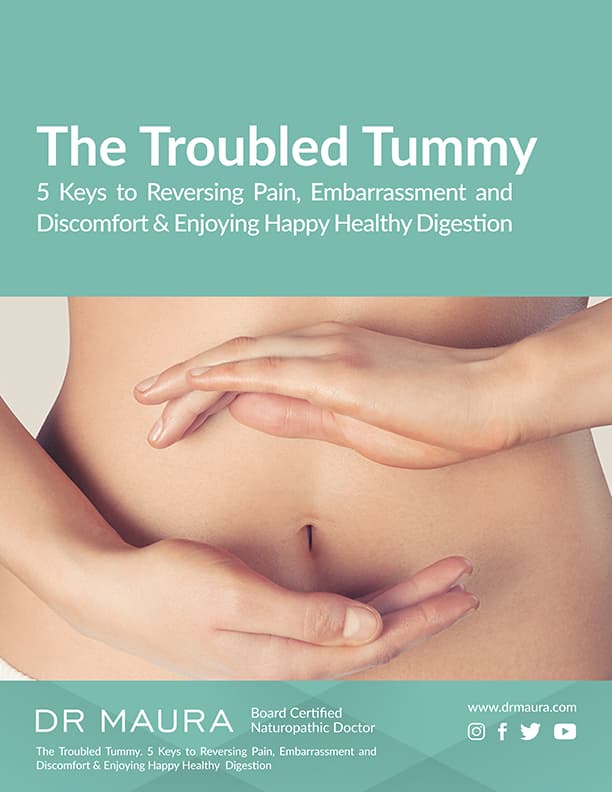
The Troubled Tummy
by Dr. Maura Henninger
Five keys to reversing pain, embarrassment, and discomfort so you can enjoy happy, healthy digestion.
Get the free e-book