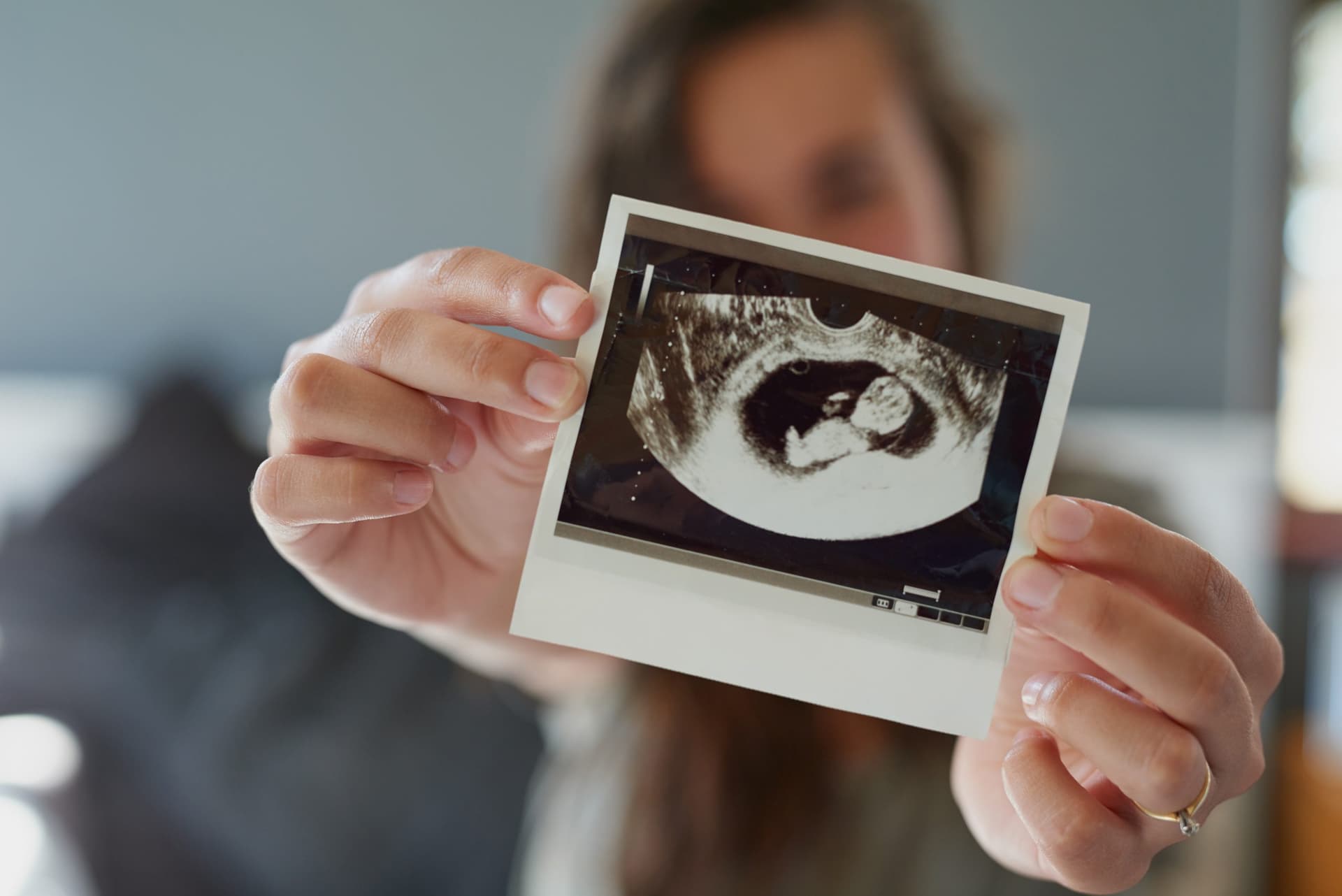
A growing trend among women is the decision to start families later in life compared to previous generations. For those facing challenges in conceiving naturally, fertility treatments have become a widespread option.

Crucial to achieving and sustaining a healthy pregnancy is the creation of optimal conditions for egg quality. Women are born with a finite number of oocytes (eggs), and from puberty until menopause, monthly ovulation should release an egg from the ovary. The health of the egg is intricately tied to the well-being of its mitochondria, the cellular powerhouses responsible for energy production. A higher number of mitochondria corresponds to a healthier egg. However, as women age, diminished mitochondrial activity leads to reduced energy production, impacting the egg’s viability.
Various factors contribute to diminished ovarian reserve, including advanced maternal age, exposure to chemotherapy or pelvic irradiation, smoking, endometriosis, surgical procedures to the ovary, autoimmune disorders, environmental exposures, and endocrine disorders such as diabetes and PCOS. Despite the contributing factors, there are multiple strategies to support egg quality. For more information or a consultation, please contact Dr. Maura, naturopathic fertility doctor.
How to Support Egg Quality:
- Reduce Stress:
- Quit smoking, as it increases oxidative stress and accelerates the time to menopause. Smoking cessation should ideally occur 3-6 months before treatment initiation (depending on age and ovarian reserve).
- Decrease alcohol consumption, as it acts as a reproductive toxin that increases oxidative stress.
- Increase Pelvic Bloodflow:
- Engage in regular exercise to enhance blood flow to the core and pelvic organs, promoting better sexual function, mood, and reducing inflammation and oxidative stress.
- Antioxidants:
- Incorporate antioxidant-rich foods into the diet, including brightly colored fruits and vegetables.
- Consider antioxidant supplements such as melatonin, pyrroloquinoline quinone (PQQ), alpha-lipoic acid (ALA), and resveratrol for protective effects on the ovaries and mitochondria.
- Mitochondria Support:
- Nutrients like inositol enhance glucose uptake, ensuring optimal fuel for the ovaries’ mitochondria.
- Carnitine plays a role in metabolizing fatty acids for energy production through beta-oxidation, crucial for egg maturation.
- Hormones and Blood Sugar:
- Reduce sugar consumption and achieve a healthy weight, as elevated insulin levels can lead to sex hormone imbalances and altered ovulation.
- Address impaired blood sugar regulation, which can hinder conception.
Naturopaths can provide tailored recommendations for diet, lifestyle adjustments, and nutritional supplementation to support egg quality and fertility. Dr. Maura, a seasoned naturopathic doctor, specializes in fertility, assisting women in achieving and maintaining healthy pregnancies.
Fertility & Preconception
Keep learning.

Fertility & Preconception
Decoding Ovarian Reserve Testing: What You Need to Know
By Dr. Shannon Iselin (Cavanaugh) The ovarian reserve, a critical aspect of a woman’s fertility, plays a significant role in assisted reproductive…

Fertility & Preconception
Semen Analysis 101
Infertility is a significant challenge for millions of couples globally, and male factor infertility plays a substantial role, contributing to over 40% of…

Fertility & Preconception
Ovarian Reserve: What Lab Values Really Mean
AMH… If you’re going through a fertility journey, you’re probably very familiar with this lab value. But what does it really mean for your ovarian reserve…