(646) 760-6627
Creating a Low-Toxin Home Without Perfectionism
Get Started
Written by - Dr. Maura Henninger (ND) Flora Naturopathics
If you have ever gone down the rabbit hole of “non-toxic living,” you know how quickly it can feel like everything in your home is a problem. The candles, the cookware, the cleaning products, the plastic containers, the water, the mattress, the laundry detergent, the shampoo, the dust, the couch, the air, suddenly it all feels like too much.
And before long, something that was supposed to help you feel better starts to feel like one more thing you are getting wrong.
We see this often with patients. They are already tired, inflamed, hormonally overwhelmed, dealing with gut symptoms, skin flares, headaches, brain fog, fertility concerns, or the feeling that their body is carrying too much. Then they start learning about environmental toxins and feel like they need to fix their entire home overnight.
You do not.
Creating a low-toxin home does not require perfection. It comes down to awareness, prioritization, and small changes that fit your real life. At Flora Naturopathics, we think about environmental health as one layer of root-cause care. Your environment matters, but it should not become another thing weighing on you. The goal is to reduce the daily burden on your body in a way that feels steady and doable. Your home should feel like a place where your body can exhale.
When Healthy Living Starts to Feel Heavy
Most people start making low-toxin changes with good intentions. They want to support their hormones, reduce inflammation, protect their children, improve fertility, support detoxification, or simply feel better in their bodies. But then the information starts to pile up.
You swap one product and realize there are ten more to think about. You buy a water filter and start wondering about air filters. You replace your pans and then think about your mattress. You clean up your skincare and then question your couch, carpet, shampoo, laundry soap, and food storage. It can start to feel like there is always one more thing to fix.
So before we talk about what to change, we want to say this clearly: your body is resilient. It is designed to process, filter, and eliminate. You are not fragile, and your home does not have to be perfect for your body to heal. We are simply trying to lower the load where we can.
Your Environment Is Part of the Whole Picture
In naturopathic medicine, we look at the whole person. That includes digestion, hormones, inflammation, sleep, stress, nutrient status, immune function, detoxification, and the environment you live in every day. Your environment is not separate from your health.
The air you breathe, the water you drink, the products you put on your skin, the food you cook, and the cleaners you use all interact with your body. Some exposures matter more than others. Some are worth changing right away. Others can wait.
This is why we do not recommend trying to overhaul everything at once. It is too much, and it often leaves people feeling drained before they even begin. Instead, we ask better questions: What are your biggest daily exposures? What changes would make the most difference right now? What fits your budget, your routine, and your current capacity? That is where we begin.
Start With What Touches Your Daily Life
When patients ask us where to start, we usually bring them back to frequency. What are you breathing every day? What are you drinking every day? What touches your skin every day? What do you cook with every day? What products are used in your bedroom, around your children, or around your pets?
This helps us avoid getting stuck in tiny details while missing the bigger picture. For example, replacing a daily plug-in air freshener may matter more than worrying about something stored in a closet. Not microwaving food in plastic may matter more than replacing every container in your kitchen. Switching your laundry detergent may matter more than changing a product you use once a month.
The goal is not to make every possible swap. The goal is to make the swaps that show up in your daily life.
Let the Air in Your Home Support You
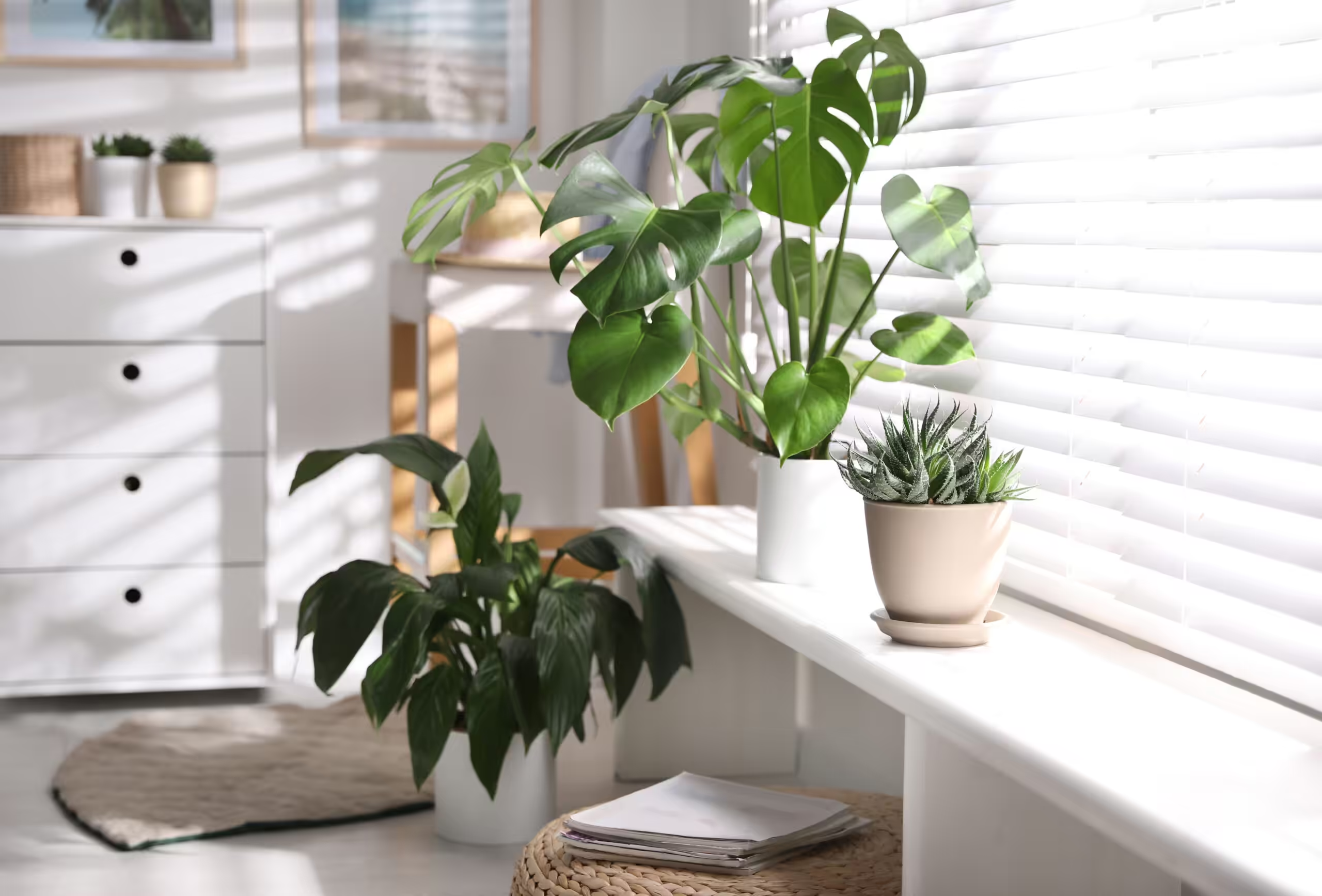
Indoor air quality is one of the best places to start because you breathe the air in your home all day and all night. You do not need to be afraid of your air, but it helps to reduce the things that add unnecessary strain. Fragrance, air fresheners, harsh cleaning sprays, smoke, mold, dust, and certain building materials can all affect indoor air quality.
A simple place to begin is fragrance. Remove plug-in air fresheners, skip artificial room sprays, and be mindful of scented candles, heavily fragranced laundry products, and cleaners that make your chest feel tight or give you a headache. Then think about ventilation. Open windows when outdoor air quality is good, use your exhaust fan when cooking, and turn on the bathroom fan during and after showers. If you are cleaning, give the room some airflow.
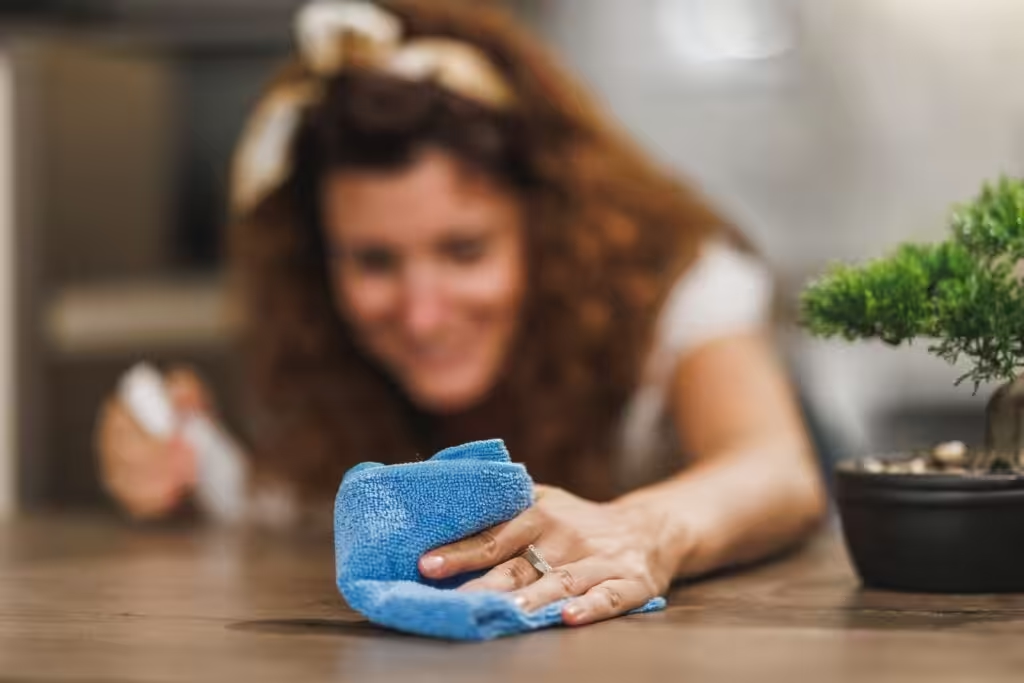
Dust matters too. A damp cloth is often better than dry dusting because it captures particles instead of sending them back into the air. Taking shoes off at the door, vacuuming regularly, and washing bedding can also help reduce what gets tracked through the home.
If you are ready for a bigger upgrade, consider a HEPA air purifier in the bedroom. The bedroom is often a great place to start because sleep is when the body repairs. You do not have to change the whole house at once. Start with the space where your body rests.
Make Water a Foundational Swap
Water is another high-impact area because you drink it, cook with it, bathe in it, and use it every day. Depending on where you live, water may contain chlorine, chloramine, heavy metals, pesticides, PFAS, or other contaminants. The exact concern depends on your location and water source.
If you are on city water, you can review your local water quality report. If you are on well water, periodic testing is important. From there, choose a filter that fits your needs and budget. This does not have to be the most expensive system available. A countertop filter, under-sink filter, or reverse osmosis system may all be options depending on what you are trying to reduce.
If it feels like too much, start with drinking water. Then, if needed, think about shower water. This may matter more if you are sensitive to chlorine, have skin irritation, or notice symptoms after bathing. This is one of those changes that supports your body every single day.
Reduce Plastic Where It Counts Most
Plastic is another area where people can feel like they need to change everything. You do not. Start with the places where plastic is more likely to interact with your food.
The biggest rule is simple: avoid heating food in plastic. Do not microwave food in plastic containers, avoid putting hot food directly into plastic, and try not to store oily or acidic foods, like tomato sauce, in plastic for long periods of time.
When you can, use glass or stainless steel for leftovers, water bottles, and food storage. If you are replacing cookware, choose stainless steel, cast iron, or ceramic options. Replace scratched nonstick pans when you are able.
Start with the habits you repeat every day. One small change done consistently matters more than trying to change everything at once.
Clean Without Adding More Burden
A home does not need to smell like bleach or artificial lemon fragrance to be clean. Many patients notice a difference when they simplify their cleaning products. Harsh sprays, disinfectants, synthetic fragrance, and strong chemical cleaners can be irritating, especially for people with headaches, asthma, skin issues, fatigue, chemical sensitivity, or inflammatory symptoms.
Most everyday cleaning can be done with gentler products, including:
- A fragrance-free all-purpose cleaner
- Dish soap
- Baking soda
- Vinegar for appropriate surfaces
- Hydrogen peroxide when needed
- Microfiber cloths
- Good ventilation
The goal is not to sanitize every surface every day. It is to clean effectively without adding more for your body to process afterward. Start with the products you use most often. Counter spray, dish soap, bathroom cleaner, and laundry detergent are good places to begin.
Pay Attention to What Stays on Your Skin
Personal care products can feel like a lot because there are so many of them. You do not need to replace everything at once. Start with what stays on your skin the longest or covers the largest surface area.
That usually means:
- Body lotion
- Deodorant
- Perfume
- Daily makeup
- Sunscreen
- Hair products
- Products used on children
During fertility preparation, pregnancy, or postpartum, this category may become even more important. Look for fragrance-free options, simpler ingredient lists, and brands that are transparent about ingredients.
You can also replace products slowly as they run out. You do not need to throw everything away today. This keeps the process manageable.
Do Not Ignore Mold, Moisture, or Musty Smells
A low-toxin home is not only about chemicals. It is also about the environment your immune system is living in. Moisture and mold can be a major stressor for some patients, especially those dealing with sinus symptoms, headaches, fatigue, brain fog, skin flares, immune issues, or unexplained inflammation.
You do not need to panic over every damp corner, but you do want to take moisture seriously. Fix leaks promptly, use bathroom fans, keep humidity in a healthy range, pay attention to musty smells, clean visible mildew on appropriate surfaces, and investigate recurring moisture or water damage.
Mold is one area where covering up the smell with fragrance is not the answer. The body usually does better when the source is addressed.
Think of This as Lowering the Load
Your body has natural detoxification pathways. Your liver, kidneys, lymph, bowels, lungs, skin, bile flow, and gut microbiome are working for you every day. When environmental exposures are high, your body has more to process. When sleep is poor, digestion is sluggish, minerals are depleted, stress is high, or inflammation is already present, that burden can feel heavier.
A low-toxin home helps reduce what your body has to handle. We are not trying to make your home perfect. We are trying to create fewer obstacles for your body.
At Flora Naturopathics, this is how we approach environmental health. We look at what your body is carrying, what your symptoms are telling us, and what supports will help you feel more steady. Sometimes that includes testing. Sometimes it includes detoxification support, gut support, mineral repletion, hormone support, or nervous system work. And sometimes it begins with simple changes at home.
Small changes can create more space for healing.
A More Realistic Way to Begin
If you are feeling overwhelmed, do not start with everything. Start with one category. Choose the area that feels most doable:
- Remove plug-in air fresheners or synthetic room sprays
- Switch to fragrance-free laundry detergent
- Stop microwaving food in plastic
- Use glass or stainless steel for hot foods
- Get a drinking water filter
- Open windows when air quality is good
- Use the exhaust fan when cooking
- Dust with a damp cloth
- Take shoes off at the door
- Replace one daily personal care product with a cleaner option
- Address a musty smell or moisture issue
- Put a HEPA air purifier in the bedroom if it is within budget
You do not need to do all of these this week. Pick one. Let it become part of your routine. Then choose the next one. This is how a low-toxin home comes together over time.
Reclaiming Your Home Without Fear
Low-toxin living should make your life feel lighter, not more complicated. If learning about toxins has left you feeling unsure where to start, take a breath. You do not need to figure it all out at once.
Your body does not need perfection. It needs consistency. Your home does not need to be flawless. It can simply become more aligned with your health, one step at a time.
If you have been feeling off and cannot quite pinpoint why, your environment may be one layer worth exploring. At Flora Naturopathics, we help you connect the dots between your symptoms and your surroundings. From there, we create a plan that fits your life and supports your body without adding more overwhelm.
Your Symptoms Are Signals. Let's Turn Them Into A Plan.
88% of Flora patients say their first visit alone brought clarity and relief, and most feel markedly better within 60 days. Start by booking your first telehealth visit - you don’t have to figure this out alone.