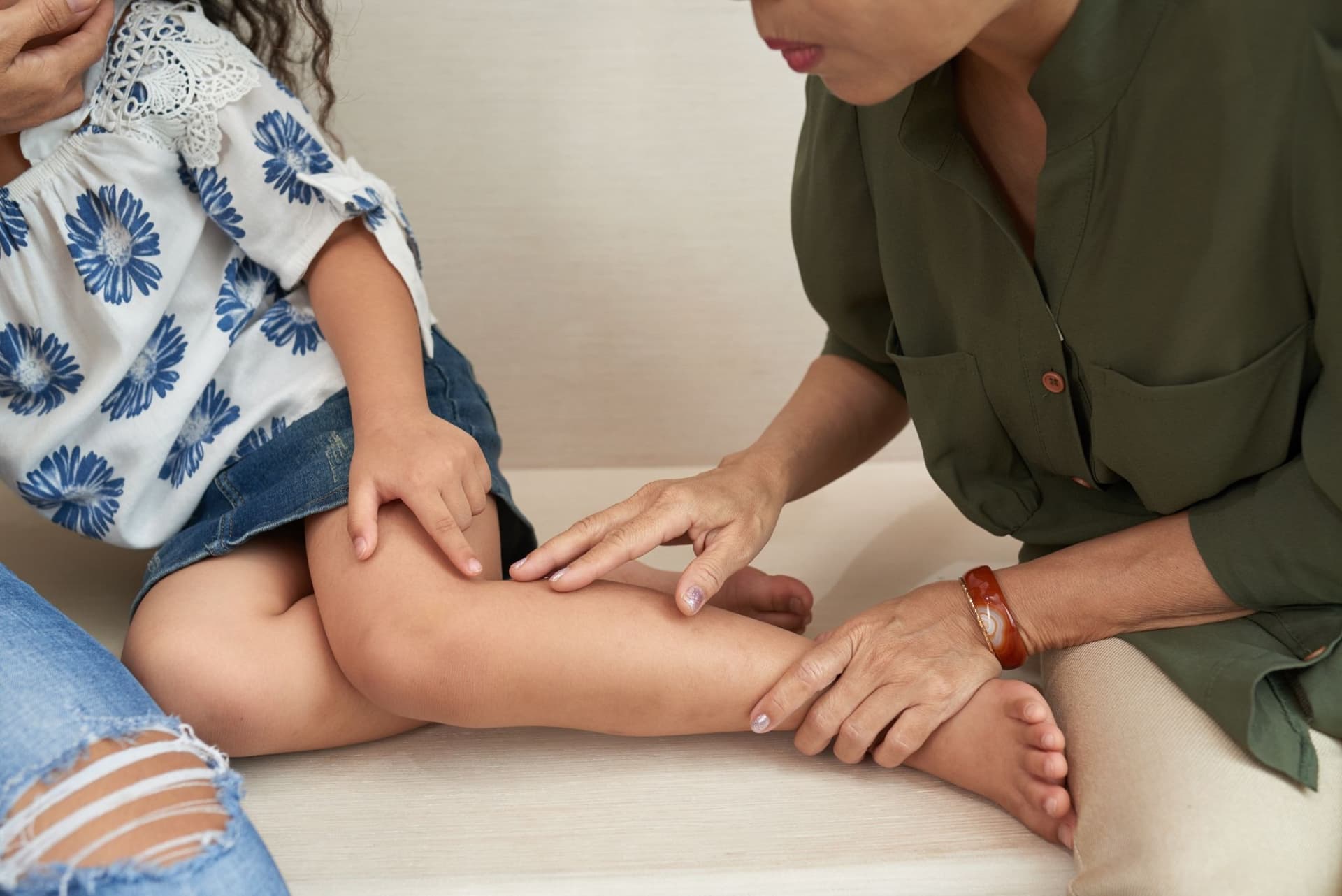
Your child’s skin finally looks calmer. They are scratching less, bedtime is easier, and you begin to feel like the routine is working. Then another patch appears.
You wonder whether it was something they ate, a different detergent, or the change in weather. It can feel as though every improvement comes with another question.
Childhood eczema often moves through periods of improvement and flare-ups. A flare does not necessarily mean you missed a trigger or did something wrong. It may mean your child’s skin needs more consistent protection, their treatment needs adjusting, or several factors are contributing at once.
At Flora Naturopathics, we look at your child’s symptoms alongside their daily routines, nutrition, environment, and health history. The goal is to understand the pattern and build a manageable care plan.
Why eczema can return even when you are careful
The most common form of childhood eczema, atopic dermatitis, involves both the skin’s protective barrier and inflammation.
That barrier helps hold moisture in and keep irritants out. With eczema, the skin loses moisture more easily and becomes more vulnerable to irritation. Itching leads to scratching, which can further damage the barrier and keep the cycle going.
Even when the skin looks better, it may still need ongoing care. Stopping the routine as soon as a patch fades can leave the skin vulnerable to another flare.
Eczema also does not always have one identifiable trigger. Dry air, sweat, friction, and irritating products can each contribute. Several small changes may add up, even when none seems significant on its own.
Supporting skin resilience means caring for the barrier between flares as well as treating inflammation when it appears.
Start with what touches your child’s skin
When eczema returns, it is tempting to begin with food or supplements. A useful first step is reviewing everyday skin contact.
Think about what happens at home, school, daycare, and during activities. A product your child tolerates in one setting may be different elsewhere.
Common things to review include:
- Cleansers and bath products: Bubble baths, fragranced soaps and harsh cleansers can irritate sensitive skin.
- Laundry products: Detergent, fabric softener and scent boosters may leave irritating ingredients on clothing or bedding.
- Clothing: Rough fabrics, tight waistbands and scratchy seams can create friction.
- Heat and sweat: Overheating during play or sleep may make itching worse.
- Saliva and food on the skin: Drooling or food residue around the mouth can irritate already-sensitive skin without indicating a food allergy.
- Seasonal changes: Cooler weather and indoor heating can contribute to dryness.
Choose fragrance-free products where possible. “Unscented” does not always mean fragrance-free.
If something seems irritating, simplify the routine rather than introducing several new products at once.
Make the daily routine easier to repeat
A consistent routine does not need to be complicated. It needs to protect the skin and follow your child’s prescribed treatment plan.
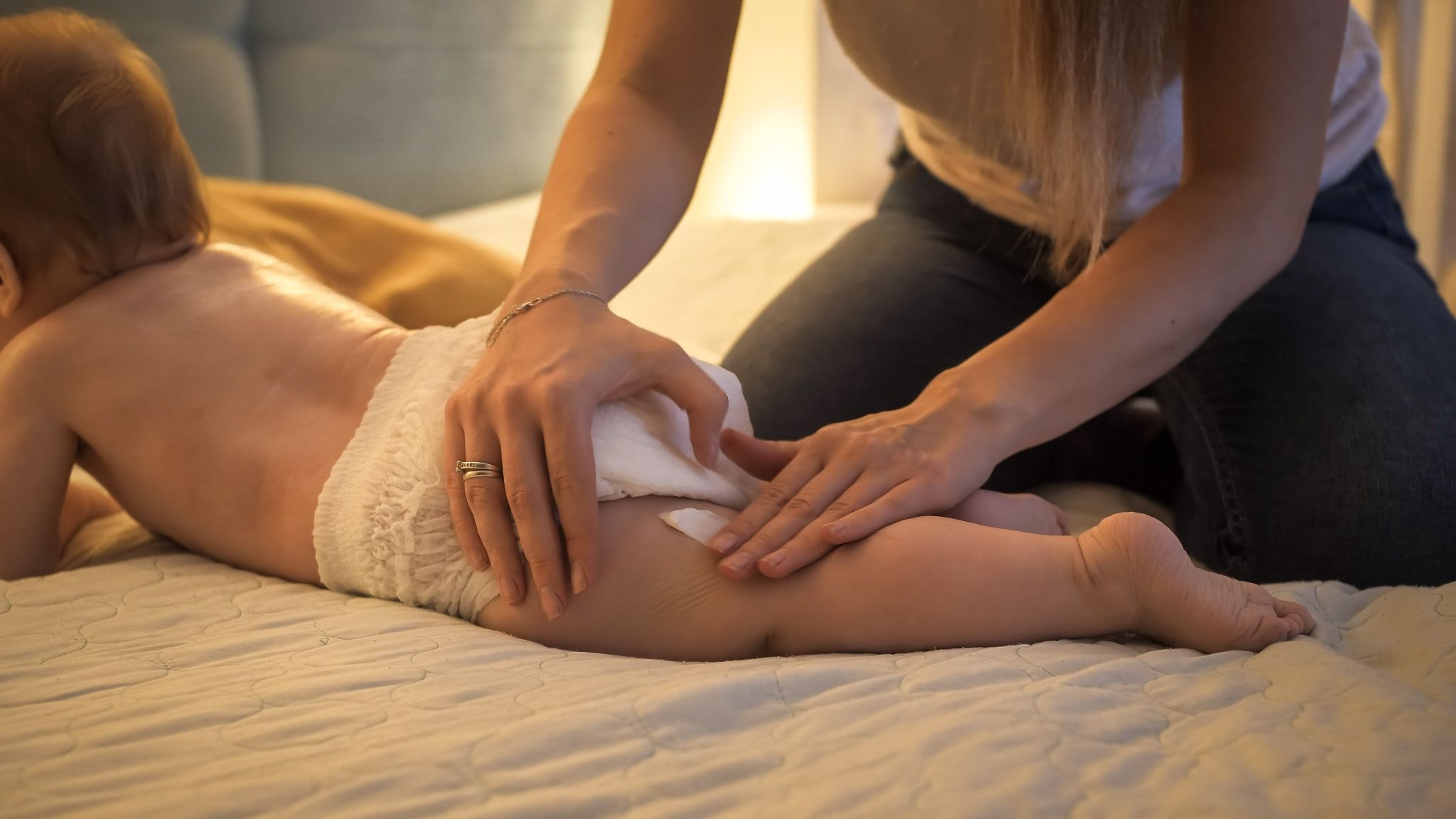
A practical starting point includes:
- Short, lukewarm baths or showers rather than hot water.
- A gentle, fragrance-free cleanser used where needed.
- A thick, fragrance-free cream or ointment applied promptly after bathing while the skin is still slightly damp.
- Regular moisturizing between baths, including when the skin looks clear.
- Soft, comfortable clothing and attention to overheating.
- Short, smooth fingernails to reduce injury from scratching.
Moisturizer supports the skin barrier, but an active flare may also need prescribed medication to control inflammation. Looking for contributing factors and treating the skin can happen together.
If you are unsure where to apply a medication, how much to use, or when to stop, ask your child’s prescribing clinician for clear instructions. A written plan can make it easier for everyone caring for your child to follow the same routine.
When you are following the plan and the eczema still returns
You apply the prescribed ointment, the rash improves, and then it comes back. It is understandable to wonder whether something has been overlooked.
An anti-inflammatory treatment can be doing its job while other factors continue to contribute to the flares. Recurrence is a reason to review the whole plan, including ongoing skin care, possible exposures and whether another skin condition is involved.
Could a skin-care product be contributing?
Some children have allergic contact dermatitis alongside their usual eczema. This is a delayed allergic reaction to something touching the skin, such as an ingredient in a moisturizer, cleanser or topical product.
The frustrating part is that the product intended to soothe the skin may also be contributing to the rash. Even products labeled “natural” or made for sensitive skin can contain ingredients a particular child reacts to.
If eczema remains difficult to control, worsens with certain products, or repeatedly affects particular areas, bring the products and ingredient lists to your child’s appointment. When contact allergy is suspected, a dermatologist may recommend patch testing. This evaluates delayed skin allergies and is different from food allergy testing.
Does your child need a plan between flares?
Skin that looks clear may still need ongoing support. For some children, moisturizing alone between flares is enough. Others need a prescribed maintenance treatment on areas that repeatedly become inflamed.
If the rash returns whenever treatment stops, ask your child’s clinician to clarify:
- What should we use during an active flare?
- What should continue after the skin looks better?
- Which areas need maintenance treatment, and how often?
- When should we arrange a review if the plan is not working?
A clear maintenance plan can help reduce the cycle of treating a flare, stopping everything and starting over.
Are food restrictions helping, or simply becoming more restrictive?
When eczema continues, families sometimes remove one food after another in search of an answer. Over time, meals can become stressful without producing a clear improvement in the skin.
At Flora, we want to understand what happened after a particular food, whether the reaction was reproducible and how dietary changes are affecting your child’s nutrition and growth. Eczema alone does not tell us that a food needs to be removed.
Looking more deeply means asking why the current plan is not providing lasting control. That may involve identifying an overlooked exposure, adjusting maintenance care or reassessing the diagnosis. It does not require abandoning a treatment that is helping your child.
When should food allergy be investigated?
Some children with eczema also have food allergies. However, removing foods does not reliably resolve eczema, and unnecessary restrictions can make it harder to meet nutritional needs during growth.
It helps to distinguish between food touching the skin and symptoms after eating it. Redness around the mouth after contact with food may reflect local irritation. Hives, vomiting, swelling or breathing symptoms after eating raise different concerns and need medical assessment.
Allergy evaluation may be appropriate when:
- There is a reproducible reaction after a particular food.
- Eczema remains difficult to control despite a consistent treatment plan.
- Growth or nutrition is becoming a concern.
Testing should follow the history. Food allergy tests require careful interpretation, and a positive result does not always mean that eating the food causes symptoms. Broad food sensitivity panels do not establish a food allergy.
Before cutting out milk, eggs, wheat or other staple foods, discuss the pattern with your child’s clinician. The aim is to identify meaningful concerns while keeping your child’s diet as varied and nourishing as possible.
Keep a simple record, not a perfect diary
When flares seem unpredictable, a short record can make an appointment more useful. You do not need to document every bite of food or every activity.
For a week or two, note:
- Where the eczema appears and whether it is itchy or painful.
- Any new products, clothing or activities.
- Heat, sweating, or noticeable weather changes.
- Which moisturizers and prescribed treatments were used.
- Nighttime waking or scratching.
- Any clear, repeated reaction associated with a particular food.
Photos taken in similar lighting can help show changes over time.
Look for repeated patterns rather than assuming that something caused a flare because it happened on the same day. Avoid deliberately reintroducing a food that has caused an immediate reaction to test the connection yourself.
When a flare needs medical attention
If itching regularly interrupts sleep, your child scratches until they bleed, or the current plan is not controlling symptoms, arrange a review. Sleep disruption and discomfort are reasons to adjust care.
Eczema can also become infected. Contact your child’s clinician promptly if you notice honey-colored crusting, pus, spreading redness, warmth or increasing pain.
Seek urgent medical attention for rapidly spreading painful blisters or sores, especially with fever, illness or involvement near the eyes. Breathing difficulty or swelling of the tongue or throat after eating requires emergency care.
These changes need assessment rather than another adjustment to the home routine.
A plan that considers your child and your family
Managing eczema can become exhausting when you are juggling creams, laundry changes, food concerns and interrupted sleep. A useful plan should make the next steps clearer.
At Flora Naturopathics, our personalized approach to care considers your child’s skin symptoms, nutrition, daily routines and broader health history. We can review existing results and arrange appropriate testing when a specific concern warrants it, with specialist evaluation or coordination with your child’s pediatrician or dermatologist when needed.
You can explore the pediatric concerns and skin conditions we support, or connect with Flora Naturopathics to discuss your child’s needs.
Bring a list of current products and treatments, along with any photos or patterns you have noticed. Together, we can work toward more comfortable skin and a routine your family can sustain.
Skin Health
Keep learning.

Skin Health
Why Am I Breaking Out in My 30s and 40s?
You are not imagining it. Acne in your 30s and 40s can feel more stubborn, more painful, and more personal than the breakouts you may have had when you…

Skin Health
Histamine Intolerance: The Missing Link Behind Your Skin Issues
When your skin keeps flaring and no one can tell you why, it can start to feel like your body is reacting to everything. You may have itching that comes…

Skin Health
Probiotics for Acne: Do They Really Work?
Struggling with acne that won’t go away? The answer to clearer skin may lie in probiotics. The connection between gut health and skin, known as the gut…