
A higher cholesterol result can feel confusing when your habits have barely changed. You may be eating the same foods, staying active, and feeling reasonably well, yet your latest bloodwork looks different.
For many women, this is one of the first signs that the menopause transition deserves a broader health conversation. Changes in hormones can affect cholesterol, body composition, and metabolic health, while blood pressure, sleep, and family history also influence cardiovascular risk.
Heart health after menopause involves understanding how these factors fit together and choosing a plan that addresses your individual risk.
At Flora Naturopathics, we look at the whole picture: your health history, daily habits, symptoms, medications, and relevant testing. Three conversations can help make that picture clearer.
1. Put menopause in the context of your health history
Estrogen plays a role in blood vessel function and how the body handles cholesterol. As estrogen levels decline, LDL cholesterol may rise, and fat distribution can shift toward the abdomen. These changes can affect cardiovascular health even when body weight changes very little.
Aging also contributes. Blood pressure, blood sugar regulation, activity levels, and sleep may change during the same period, making it difficult to attribute everything to hormones.
This is why a useful assessment begins with more than your most recent cholesterol result.
Your reproductive history belongs in the conversation
Experiences from years earlier can still matter to your heart health. A history of preeclampsia, high blood pressure during pregnancy or gestational diabetes is relevant, even if your readings returned to normal after delivery.
Early menopause, particularly before age 45, is another factor worth discussing. These experiences can help identify women who may benefit from earlier or more attentive cardiovascular prevention.
Other details that deserve attention include:
- Heart attacks or strokes at a young age in close relatives.
- Diabetes, kidney disease, or persistently elevated blood pressure.
- Smoking or a history of smoking.
- Inflammatory conditions such as rheumatoid arthritis or lupus.
- Medications that may affect cholesterol, blood pressure, or blood sugar.
These factors do not predict your future with certainty. They help us interpret your results and decide how actively to address them.
Feeling well does not tell us everything
High cholesterol and high blood pressure often cause no obvious symptoms. You can feel energetic, exercise regularly, and still have a risk factor that needs attention.
The menopause transition is a useful time to review your baseline, including during perimenopause. You do not need to wait until your periods have fully stopped to begin this conversation.
Our menopause and perimenopause care considers these longer-term health changes alongside symptoms such as hot flashes, disrupted sleep and changes in mood.
2. Understand what your numbers actually tell you
A lab result becomes more useful when we understand what it measures, how it has changed, and whether it affects a treatment decision.
A standard cholesterol panel is a starting point. Blood pressure and blood sugar provide additional information. Selected tests can clarify risk when the initial picture is incomplete.
Cholesterol: look beyond the total
Total cholesterol combines several measurements, so the headline number can hide useful distinctions.
LDL cholesterol is associated with plaque buildup in arteries. Triglycerides can provide information about metabolic health and may rise with insulin resistance, alcohol intake, certain medications or other conditions.
HDL cholesterol is often described as “good cholesterol,” but a high HDL result does not cancel out elevated LDL or other cardiovascular risks. It needs to be interpreted within the full picture.
Trends also matter. A gradual rise in LDL over several years may lead to a different conversation from a sudden, unexpected increase.
If your cholesterol changes substantially despite consistent habits, we may also consider thyroid function, medication effects, and inherited causes. An underactive thyroid, for example, can contribute to elevated cholesterol. Addressing it and reassessing your lipids can help clarify what still requires treatment.
ApoB: when particle number adds useful information
LDL cholesterol measures the amount of cholesterol carried within LDL particles. Apolipoprotein B, or ApoB, helps estimate the number of particles that can contribute to plaque buildup.
Sometimes those measurements tell slightly different stories. This can be particularly relevant when triglycerides are elevated or diabetes and other metabolic risk factors are present.
ApoB can help refine an assessment in selected situations. Its value depends on whether the result will change the plan.
Lp(a): an inherited risk that healthy habits may not reveal
Lipoprotein(a), or Lp(a), is a largely inherited cardiovascular risk factor. It should be measured at least once in adulthood and is especially useful to discuss when there is a family history of early heart disease.
You can have elevated Lp(a) while eating well, exercising, and having an otherwise reassuring cholesterol panel.
Lifestyle changes generally have little effect on Lp(a) itself. Knowing that it is elevated can still be valuable because it may influence how carefully we manage LDL cholesterol, blood pressure, smoking, and other modifiable risks.
Blood pressure: patterns matter
One elevated reading does not establish a diagnosis. Repeated readings help distinguish a temporary increase from a persistent pattern.
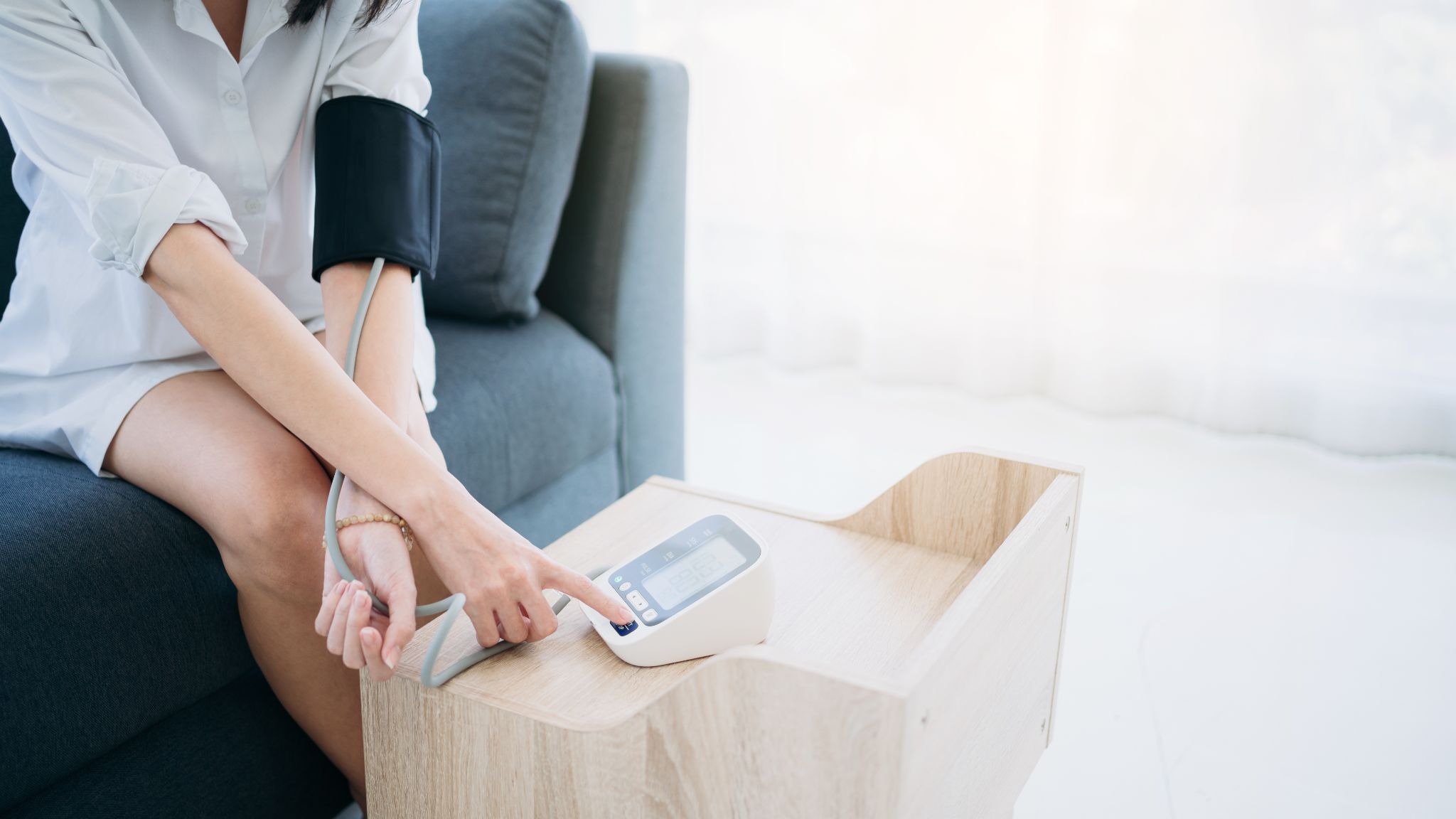
Readings with a systolic pressure of 130 or higher, or a diastolic pressure of 80 or higher, deserve review. Interpretation and treatment depend on your average readings and overall health.
When home monitoring is appropriate, a validated upper-arm monitor with the correct cuff size is useful. Sit quietly for five minutes, support your arm at heart level and follow the recommended measurement technique. Bringing a record of readings to an appointment can make the conversation much more informative.
Blood sugar: assess metabolic health alongside cholesterol
Fasting blood glucose and HbA1c can help identify prediabetes or diabetes. HbA1c provides a longer view of blood sugar levels than a single glucose measurement.
These results are relevant even when weight is stable. Changes in abdominal fat, activity, sleep and muscle health can affect blood sugar regulation during midlife.
Through our labs and testing services, we can review existing results and arrange appropriate testing based on your history and the questions we need to answer.
When a scan may help
For some women, the decision about cholesterol medication remains uncertain after reviewing their history and bloodwork. A coronary artery calcium scan may help clarify that decision by identifying calcified plaque in the coronary arteries.
This scan is considered selectively, usually through primary care or cardiology. It is not a routine requirement for every woman entering menopause.
It also does not replace medical assessment for chest pain, breathlessness or other concerning symptoms. Preventive testing and evaluating symptoms serve different purposes.
3. Build a prevention plan you can sustain
Once the risk picture is clearer, the next step is deciding what will make a meaningful difference.
That plan may involve nutrition, movement, sleep, medication or several of these together. The priorities should reflect your actual findings and what is realistic in your daily life.
Make food changes that address the concern
A Mediterranean-style or DASH-style eating pattern provides a useful foundation for cardiovascular health. Both emphasize vegetables, fruit, legumes, whole grains, nuts and minimally processed foods.
The details can then be adjusted to your needs.
If LDL cholesterol is elevated, replacing some saturated fat with unsaturated fats can help. Olive oil, nuts, seeds and avocado are practical options. Increasing soluble fibre through foods such as oats, beans and lentils can also support cholesterol reduction.
If blood pressure is the main concern, sodium intake may deserve closer attention, particularly from packaged foods, restaurant meals and salty snacks.
If blood sugar is rising, we may look at meal composition, portions, fibre intake and the balance of foods across the day.
The most useful changes are specific enough to address the problem and manageable enough to continue. Our approach to treatment includes tailoring nutrition and lifestyle recommendations to your health needs, preferences and circumstances.
Include movement that challenges your heart and muscles
Regular aerobic activity supports cardiovascular fitness, blood pressure and blood sugar regulation. Brisk walking, cycling, swimming and dancing can all count.
A common goal is at least 150 minutes of moderate activity each week, alongside strength training on two days. Your starting point, symptoms and medical history should guide how you build toward that.
If you have been less active, begin with a manageable routine and increase gradually. Consistency matters more than an occasional demanding workout.
New chest discomfort or unusual breathlessness with activity should be assessed before increasing exercise intensity.
Investigate sleep problems that keep returning
Sleep disruption during menopause is often attributed to hot flashes, stress or changing hormones. Those can be real contributors, but persistent sleep problems deserve a closer look.
Obstructive sleep apnea becomes more common after menopause. In women, it can present as insomnia, morning headaches, frequent waking or daytime fatigue. Loud snoring may be less obvious than expected.
If sleep remains unrefreshing, or blood pressure is difficult to control, a sleep assessment may be appropriate.
Stress also deserves practical attention. Caregiving, work demands and chronic strain can affect sleep, eating habits and the ability to maintain a routine. A prevention plan needs to account for those demands.
Smoking cessation and reducing excessive alcohol intake are other meaningful steps. Alcohol does not need to be part of a heart-health routine.
How naturopathic care can support heart health after menopause
A naturopathic approach goes a step beyond identifying that cholesterol or blood pressure is elevated. We look for the factors that may be contributing to those changes and build a targeted plan around your individual risk, lab results, diet, hormones, metabolism and lifestyle.
For cholesterol, this may include increasing soluble fiber from foods or supplemental psyllium, incorporating plant sterols, and emphasizing omega-3-rich foods such as salmon, sardines, chia seeds and flaxseed. Supplemental omega-3 fatty acids may also be considered, particularly when triglycerides are elevated.
Certain nutrients and botanicals may have a role as well. Depending on your health history and laboratory findings, a naturopathic plan might include magnesium, omega-3 fatty acids, berberine, aged garlic extract or other targeted nutritional and botanical support. These are not appropriate for everyone, and supplements should be selected with potential medication interactions and your overall cardiovascular risk in mind.
We also look beyond cholesterol itself. Thyroid dysfunction, insulin resistance, chronic inflammation, inadequate fiber intake, poor sleep and changes in body composition can all influence cardiovascular health during midlife. When appropriate, we may evaluate markers such as fasting insulin and glucose, HbA1c, thyroid function, ApoB and Lp(a) to better understand what may be driving your individual risk.
From there, the goal is to make treatment specific. Someone with elevated LDL may benefit from a different nutrition and supplement strategy than someone whose primary issue is high triglycerides, insulin resistance or elevated blood pressure.
At Flora Naturopathics, naturopathic care is not about simply replacing a medication with a supplement. It is about identifying modifiable contributors, using nutrition and lifestyle therapeutically, and adding evidence-informed nutrients or botanical medicines when appropriate. We can also follow laboratory markers over time to see whether the approach is producing a meaningful change and coordinate with your primary care clinician or cardiologist when additional treatment is warranted.
Give hormone therapy its own decision
Hormone therapy can be helpful for appropriately selected women with bothersome menopause symptoms. It can also help prevent bone loss in certain circumstances.
However, hormone therapy should not be prescribed solely to prevent heart attacks or strokes.
The decision depends on your symptoms, age, time since menopause, medical history and the treatment being considered. Early menopause or premature loss of ovarian function requires its own assessment.
Within our bioidentical hormone replacement therapy care, we consider the potential benefits and risks in that individual context. Cardiovascular prevention still requires attention to cholesterol, blood pressure, blood sugar and other relevant factors.
Recognize symptoms that need immediate attention
Chest pain or pressure is the most common heart attack symptom in women. Other signs can include shortness of breath, discomfort in the arm, jaw or back, nausea, a cold sweat or lightheadedness.
Symptoms may occur together, and breathlessness can occur without chest discomfort.
If you think you may be having a heart attack, call 911. New or unusual symptoms should receive prompt medical assessment rather than being assumed to come from anxiety, reflux or menopause.
Make your next step specific
If your cholesterol has risen, your blood pressure is creeping up or you are unsure how your family history affects your risk, a focused review can help you understand what to address.
At Flora Naturopathics, we begin with your health history and concerns, considering your cardiovascular health alongside hormones, thyroid function, nutrition and sleep. You do not need recent bloodwork or home blood pressure readings to get started.
We can review any results you already have, arrange appropriate lab testing and coordinate with other healthcare professionals when further evaluation or treatment is needed.
Together, we can identify your priorities and build a practical plan for heart health after menopause.
Connect with Flora Naturopathics to schedule a consultation.
Women's Health
Keep learning.

Women's Health
The Hidden Cost of Chronic Stress on Women’s Health and Aging
Most women know what stress feels like. Fewer are shown what stress may be costing their body. Stress can look like a full calendar, a demanding job…

Women's Health
Should You Consider Peptides for Healthy Aging?
Healthy aging is not about trying to stop the aging process. It is about supporting the body as it changes, so you can maintain strength, energy, metabolic…

Women's Health
I Don’t Feel Like Myself: The Most Common Perimenopause Symptoms (and Why They Happen)
Many women describe perimenopause with the same phrase: “I don’t feel like myself.” You may feel more anxious or irritable than usual, struggle with energy…