
The suitcase feels heavier than it used to. Getting up from the floor takes a little more effort. You are still walking, staying busy, and making time for exercise, yet you feel less strong.
Or perhaps you have started lifting weights and feel unsure about what should happen next. How much protein do you need? Should every workout leave you sore? Are hormones making progress harder?
You can build and maintain muscle through midlife, menopause, and well into later life. The approach needs to challenge your muscles appropriately, provide enough nourishment, and allow you to recover.
At Flora Naturopathics, we also want to understand what might be making those foundations difficult to maintain. Interrupted sleep, heavy periods, digestive symptoms, restrictive eating and persistent fatigue can all influence how you feel and function.
The goal is strength you can use throughout your life.
Muscle supports more than movement
Muscle helps you lift, carry, climb stairs, and steady yourself when you lose your footing. Having enough strength makes everyday activities easier and helps preserve independence as you age.
Muscle also participates in blood sugar regulation. It takes up glucose from the bloodstream and uses or stores it for energy. Regular resistance training can improve insulin sensitivity, making strength work a useful part of long-term metabolic care.
As women move through midlife, muscle deserves attention alongside bone density, cardiovascular health, and hormones. Your weight can stay relatively stable while the proportions of muscle and fat change. A bathroom scale cannot tell you whether your strength is improving.
Age-related loss of muscle and strength is often discussed as sarcopenia. When it becomes clinically significant, it can affect walking, getting out of a chair, and other daily activities. Low activity, inadequate nutrition, and certain illnesses can contribute.
You do not have to wait for those difficulties to develop before taking action. Strength training can help maintain muscle and improve mobility, including for people who begin later in life.
Your muscles can continue responding to training as you age. Understanding how to support that response is an important part of muscle health for women.
Give your muscles a reason to get stronger
Walking, cycling and other aerobic activities support your heart, endurance and overall health. Building muscle also requires your muscles to work against resistance.
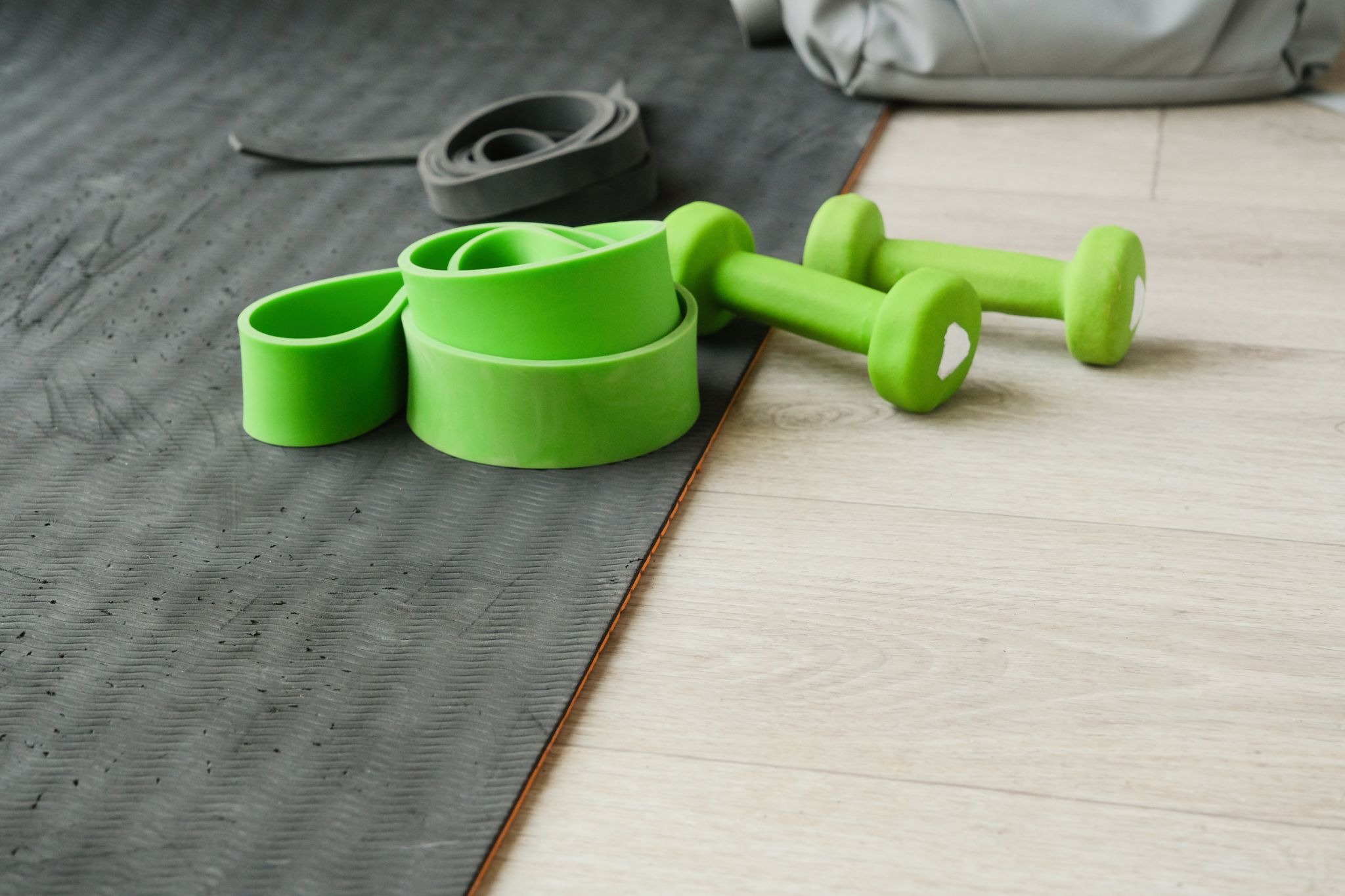
That resistance might come from dumbbells, machines, bands or your own body weight. The equipment matters less than whether the activity provides an appropriate challenge and progresses over time.
For someone beginning strength training, two sessions on nonconsecutive days each week can be a manageable starting point. Work across the major muscle groups rather than concentrating only on one area.
A routine might include movements such as:
- Sitting down and standing up from a sturdy chair, progressing toward a squat when appropriate.
- Pulling a resistance band or using a cable-row machine to work the back and arms.
- Wall or countertop push-ups, with the difficulty adjusted to your strength.
- A suitable hip-hinge movement to strengthen the hips and back of the legs.
These are examples to adapt with a qualified trainer or physical therapist, particularly if pain, osteoporosis, an injury or balance difficulties affect your movement.
The challenge needs to change as you improve
If you have used the same light weights for years and the exercises feel easy, your muscles may need a greater challenge.
This is called progressive resistance training. As your capacity improves, you gradually increase the demand. That might mean adding a little weight, using a stronger band or completing more repetitions with good control.
For many exercises, the final repetitions should feel challenging while you can still maintain your technique. You do not need to push every set to complete exhaustion.
Begin with an amount of work you can repeat consistently. A routine that leaves you too sore or depleted to return is difficult to build on.
Muscle soreness can happen when an activity is new, but it is not a reliable measure of an effective workout. Increasing strength and better movement are more useful signs of progress.
Eat enough to support the work
Many women reach midlife with years of practice at eating less. Building muscle asks you to pay close attention to whether your meals provide enough energy and protein.
A small breakfast, a light salad at lunch and most of your protein at dinner may leave you short of what you need, even when the food choices are nutritious.
Protein provides the amino acids used to maintain and build muscle. For many healthy women doing regular resistance training, approximately 1.2–1.6 grams per kilogram of body weight per day can be a useful starting range. At 150 pounds, that works out to roughly 80–110 grams daily.
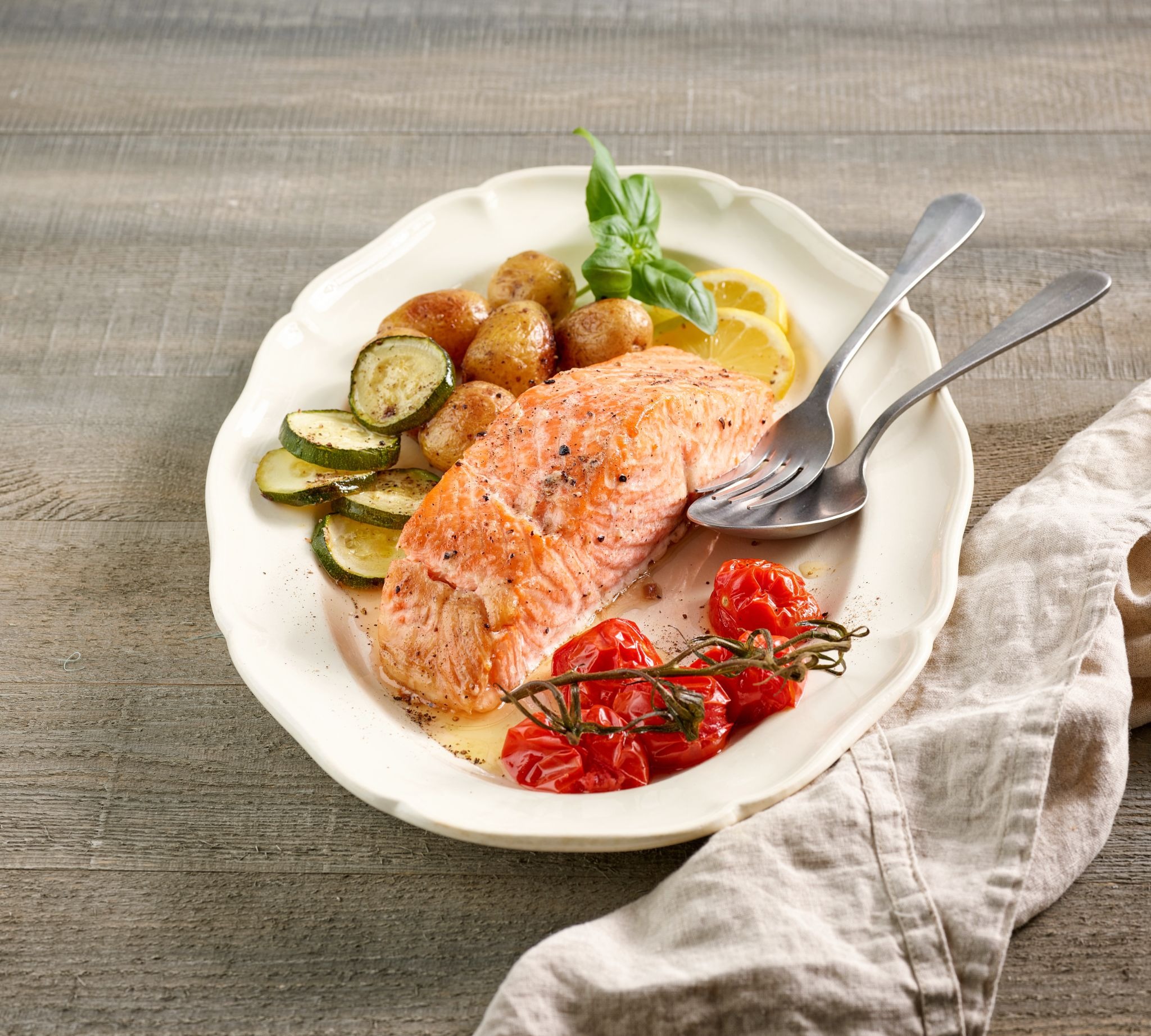
That range needs to be personalized for your activity, age, goals and medical history. Kidney disease and certain other conditions can change what is appropriate.
Spreading protein across meals makes the daily target easier to reach. A breakfast with Greek yogurt, eggs, tofu or another substantial protein source can help, especially if dinner has been doing most of the work.
Fish, poultry, dairy, soy foods, beans and lentils can all contribute. Portions and combinations matter. A sprinkle of nuts on a salad may add useful nutrients without providing much protein on its own.
Total food intake matters too. Protein cannot fully compensate for consistently eating too little. Carbohydrates help fuel exercise, while dietary fats and a varied intake of plant foods contribute to adequate overall nutrition.
If weight loss is also a goal, the plan should protect muscle through suitable resistance training, sufficient protein and an appropriate pace of weight change. A falling number on the scale does not tell us whether the weight lost was fat, muscle or both.
Protein powder and creatine can have a place
Protein powder can be convenient when food alone does not meet your needs. It is a way to add protein, and the choice should suit your digestion, preferences and dietary requirements.
Creatine monohydrate supports energy availability during short, demanding muscular efforts. It may help some people improve training performance and gain additional muscle alongside resistance training.
Benefits vary, and findings specifically in postmenopausal women are mixed. Creatine is an optional addition to a plan, with health history, kidney function and other supplements considered before use.
At Flora, we choose supplementation around a clear need and realistic goal. Training, adequate meals and recovery remain the foundation.
When your effort and your recovery do not match
Some women have a workable training routine and still feel unusually exhausted. Others want to exercise but struggle to get through the day.
That deserves attention.
The first step is to look at your training load, food intake and sleep. Adding more exercise may be unhelpful if you are already doing more than you can recover from. But persistent fatigue or declining strength may also call for medical assessment.
Patterns like these can help guide the conversation:
What you notice | What deserves a closer look |
Fatigue alongside heavy or prolonged periods | Iron deficiency or anemia may be contributing to reduced exercise tolerance. |
Low energy with cold intolerance, constipation or other thyroid symptoms | Thyroid function may need assessment. |
Night sweats and repeated waking | Menopausal symptoms may be disrupting the sleep needed to sustain training and daily activity. |
Digestive symptoms that lead you to avoid many foods | Your diet may have become too limited to provide adequate energy, protein or other nutrients. |
Increasing difficulty rising from a chair, climbing stairs or carrying familiar objects | Strength and physical function need assessment, including possible medical contributors. |
These patterns help us decide what to investigate. They do not establish a diagnosis on their own.
Our approach to labs and testing considers your symptoms and history before selecting tests. For example, a blood count and ferritin may be relevant with heavy bleeding and fatigue, while thyroid testing may be appropriate when symptoms suggest thyroid dysfunction.
Laboratory tests can identify certain contributors to weakness or fatigue. They do not directly measure how strong you are. A physical assessment may also consider grip strength, walking and the ability to rise from a chair.
If digestion is limiting what you can comfortably eat, digestive wellness care can help us explore the symptoms and support a more adequate, sustainable diet.
New or rapidly worsening weakness needs prompt medical assessment. It should not be attributed to age or menopause without evaluation.
Where hormone care fits
Menopause changes the hormonal environment in which your body functions. Hormonal changes can contribute to shifts in muscle and body composition, while symptoms such as night sweats and disrupted sleep can make consistent training harder.
However, menopause does not mean you have lost the ability to build muscle.
Resistance training remains effective after menopause. Hormone therapy is not routinely prescribed solely to increase muscle strength, and evidence for that specific benefit is inconsistent.
When menopausal symptoms are affecting sleep, comfort or daily function, appropriate treatment may make it easier to maintain healthy routines. Decisions about hormone therapy need to consider your symptoms, age, medical history and individual benefits and risks.
Through our women’s health and hormone care, we consider those concerns alongside nutrition, activity and the other factors affecting how you feel.
You can begin building strength while working through that assessment. There is no requirement to achieve a particular hormone level before your muscles can respond.
Notice the progress you can use
Strength often improves before changes in muscle size become obvious. Early improvements can partly reflect learning the movements and using your muscles more effectively.
Visible changes take longer and vary with your starting point, training, nutrition and consistency. Think in terms of months of steady practice, with adjustments along the way.
Keep a simple record of your exercises, resistance and repetitions. Also notice what is changing outside your workouts:
- A familiar weight feels easier to lift.
- You can complete more controlled repetitions.
- Stairs or carrying groceries require less effort.
- Getting up from a chair or the floor feels more manageable.
- You feel more confident doing activities you previously avoided.
These improvements matter even when your weight stays the same.
If you are starting from very little activity, one manageable session may be your first step toward a regular routine. If you already exercise consistently, the next step may be increasing resistance, improving meal intake or addressing a recovery problem.
Your plan should meet you where you are and give you room to progress.
Make strength part of your next chapter
Consider what you want your body to help you keep doing. Traveling. Gardening. Carrying your grandchildren. Walking comfortably through a city. Living independently.
Those goals give strength training a practical purpose.
At Flora Naturopathics, we help you understand how nutrition, hormones, digestion, sleep and medical factors may be influencing your energy and muscle health. We can review existing results, arrange appropriate laboratory testing when needed and coordinate with other healthcare or exercise professionals to support your next steps.
Schedule a consultation with Flora Naturopathics to create a personalized plan that supports your strength, recovery and long-term health.
Women's Health
Keep learning.

Women's Health
The Hidden Cost of Chronic Stress on Women’s Health and Aging
Most women know what stress feels like. Fewer are shown what stress may be costing their body. Stress can look like a full calendar, a demanding job…

Women's Health
Should You Consider Peptides for Healthy Aging?
Healthy aging is not about trying to stop the aging process. It is about supporting the body as it changes, so you can maintain strength, energy, metabolic…

Women's Health
I Don’t Feel Like Myself: The Most Common Perimenopause Symptoms (and Why They Happen)
Many women describe perimenopause with the same phrase: “I don’t feel like myself.” You may feel more anxious or irritable than usual, struggle with energy…