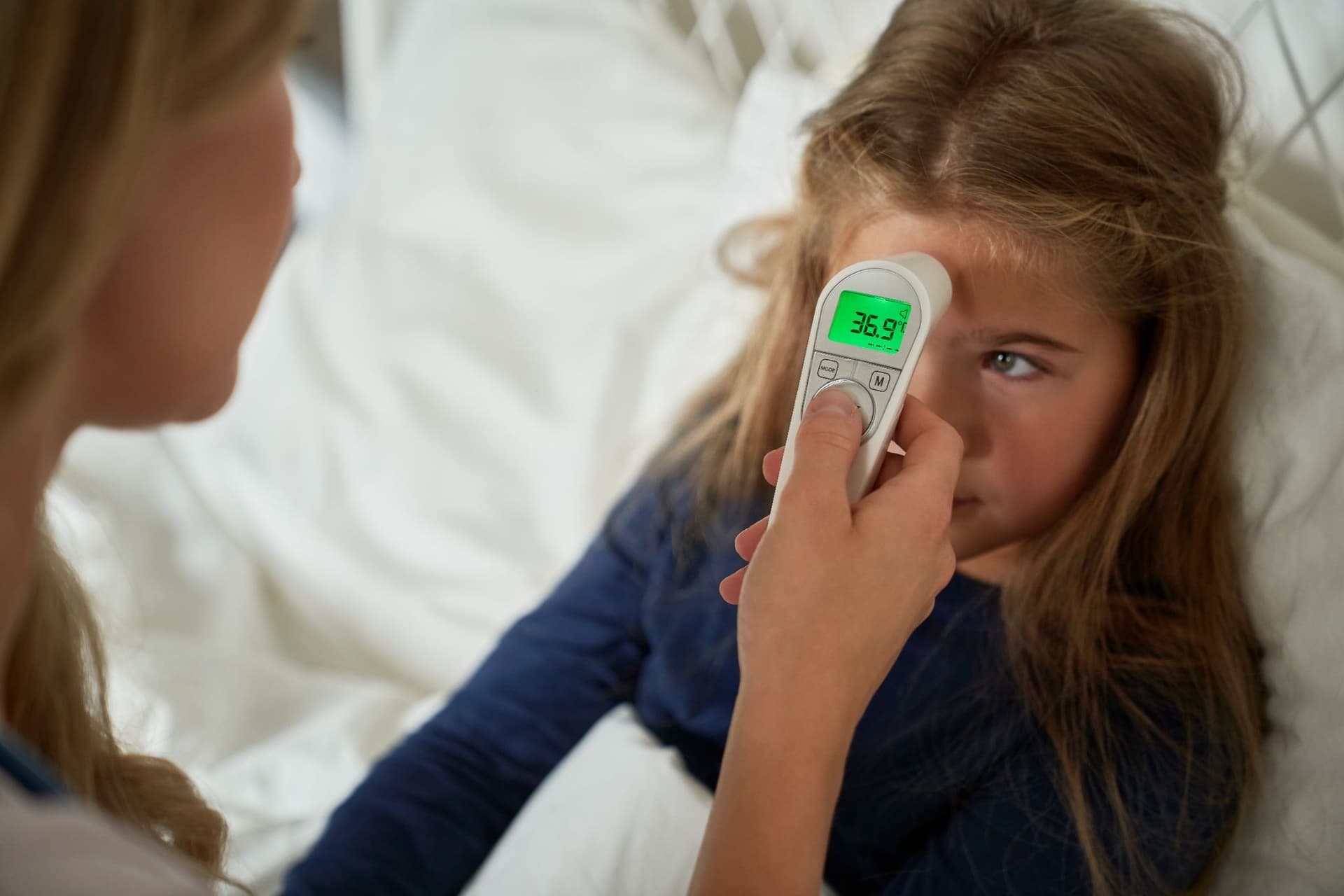
Once kids are back in classrooms, sports, activities, and close contact with one another, it can feel like the runny noses, coughs, stomach bugs, and sore throats never stop.
For parents, that often leads to the same question: What can I do to strengthen my child’s immune system?
The first thing I like to remind families is that getting sick occasionally is a normal part of childhood. School-aged children are exposed to a lot of people, shared spaces, and circulating viruses. An occasional cold does not automatically mean that something is wrong with your child’s immune system.
The goal is not to create an immune system that never encounters an infection. It is to give the body the nutrition, sleep, movement, and overall support it needs to respond appropriately and recover well.
And when a child seems to be getting sick far more often than expected, takes a long time to recover, or has other health concerns alongside frequent illness, that is when it can be worth looking more closely.
Why Does My Child Seem to Get Sick So Much During the School Year?
Schools are ideal environments for infections to circulate simply because children spend hours together in classrooms, cafeterias, buses, sports, and activities.
Respiratory and gastrointestinal infections can spread through close contact, contaminated hands and surfaces, respiratory droplets, and the air. The CDC recognizes that some illness spread in school communities is expected and recommends basic measures such as handwashing, respiratory etiquette, cleaner air, and staying home when sick to reduce transmission.
So before assuming that a child who catches several colds has a “weak immune system,” it helps to consider exposure.
There is a big difference between a generally healthy child who catches common illnesses and recovers normally, and a child experiencing infections that are unusually severe, persistent, difficult to treat, or accompanied by other concerning symptoms.
Start With Food Before the Supplement Cabinet
When I think about immune health in children, nutrition is one of the first places I look.
The immune system relies on adequate energy, protein, vitamins, minerals, and essential fatty acids to do its job. Nutrients including vitamins A, C, D and E, iron, selenium, and zinc all play roles in normal immune function, and true nutrient deficiencies can impair the body’s immune response.
That does not mean children need large doses of all of these nutrients in supplement form.
For most children, I would rather start by looking at what they are actually eating.
- Is there enough variety?
- Are they getting protein regularly?
- Are fruits and vegetables showing up throughout the week?
- Are they eating foods that provide healthy fats?
- Is their diet extremely restricted?
- Are they skipping breakfast, barely eating lunch at school, and coming home ravenous at the end of the day?
These patterns can tell us much more than simply asking whether a child takes a multivitamin.
A realistic goal is not a perfect diet. Most children will go through phases of food preferences, picky eating, and days when their lunch comes home almost untouched. I am looking at the overall pattern.
Nutrient Sufficiency Matters More Than Megadosing
There is an important distinction between correcting a deficiency and taking large amounts of a nutrient in hopes that more will make the immune system stronger.
It usually does not work that way.
Vitamin D is a good example. Vitamin D is involved in normal immune function, but that does not mean every child needs a high-dose vitamin D supplement. Research looking at vitamin D supplementation and respiratory infections has produced mixed results, including studies in children where supplementation did not reduce respiratory infections.
Zinc is another essential immune nutrient. A child who is deficient in zinc may have impaired immune function, but excessive zinc can also cause problems and can interfere with other nutrients when used inappropriately.
This is why I prefer a more individualized approach.
If a child has a very limited diet, digestive concerns, poor growth, a known deficiency, or another reason to suspect that nutrient needs are not being met, supplementation may make sense. The amount and form should be appropriate for that child.
The American Academy of Pediatrics similarly notes that most healthy children eating a varied diet do not need extra vitamin supplementation, while children with restricted diets, diagnosed deficiencies, or medical conditions that increase deficiency risk may have different needs.
Don’t Forget About Sleep
Sleep is one of the least exciting immune recommendations, but it is also one of the most foundational.
Children have significant sleep needs, and school schedules can make it easy for those hours to get squeezed, particularly for older kids and teenagers.
A child who stays up late, wakes early for school, and then tries to catch up on weekends may be functioning on less sleep than parents realize.
Sleep supports overall physical and mental health, while insufficient sleep in children is associated with a range of health and behavioral concerns.
This is especially worth paying attention to at the beginning of the school year, when summer schedules may still be shifting.
If sleep has become difficult, it is helpful to look at bedtime and wake time, evening screens, morning light exposure, daily activity, stress, and whether the child is actually being given enough time to sleep.
Movement, Outdoor Time, and Daily Rhythm Matter Too
Children do not need a complicated wellness routine.
Regular physical activity, time outside, adequate hydration, nutritious meals, and a predictable daily rhythm provide a strong foundation for overall health.
Movement supports much more than fitness. It is part of maintaining healthy metabolic function, mood, sleep, and development.
I also think outdoor time is particularly valuable during the school year because kids may spend a much larger part of the day sitting indoors than they did during the summer.
That does not mean every child needs an organized sport. Walking, biking, playground time, playing outside with friends, dancing, swimming, or simply being active as a family all count.
What About Gut Health?
The digestive and immune systems are closely connected, which is one reason gut health comes up frequently in naturopathic and functional medicine.
But this is another area where I would avoid assuming that every child needs a probiotic simply because school is starting.
Research on probiotics and preventing respiratory infections in children is still limited. Some studies suggest potential benefits, but the evidence is not strong enough to say that probiotics reliably prevent colds in children, and results depend on the strains and products being studied.
Instead, I look at the child.
- Are they constipated?
- Do they regularly experience abdominal pain, bloating, diarrhea, or reflux?
- Have they had repeated courses of antibiotics?
- Is their diet very low in fiber or highly restricted?
- Are there other signs that digestion deserves attention?
At Flora, we see children with a variety of pediatric digestive concerns, and we have also discussed how conditions such as SIBO can occur in children. When digestive symptoms are present, addressing them can be an important part of looking at the child's health as a whole.
That is very different from assuming that every healthy child needs a probiotic for immunity.
Stress Can Show Up Physically in Kids
The start of a school year can bring excitement, but it can also bring a lot of change.
New teachers, harder classes, homework, sports, social pressures, activities, and less downtime can all add stress to a child’s day.
Children may not always say, “I’m stressed.”
Instead, parents might notice difficulty falling asleep, changes in appetite, stomachaches, headaches, irritability, emotional outbursts, or increased fatigue.
Stress does not mean that every illness has an emotional cause. But when we are evaluating a child who seems depleted or who is struggling in several areas at once, their stress load and daily schedule are worth considering alongside nutrition, digestion, sleep, and physical health.
Flora has discussed the relationship between ongoing stress, the nervous system, and sleep, and many of the same daily patterns that support healthy sleep can help children maintain a more regulated rhythm during busy school months.
The Basics of Preventing Infection Still Matter
Supporting the body is only one side of the equation.
Reducing exposure matters too.
Simple habits such as washing hands with soap and water, covering coughs and sneezes, avoiding sharing drinks and utensils, improving ventilation when possible, and keeping children home when they are actively sick can reduce the spread of common respiratory and gastrointestinal infections.
Preventive healthcare matters as well. Parents should continue working with their child’s pediatrician on routine health visits, recommended immunizations, and any individual medical concerns.
Naturopathic support should complement appropriate pediatric care, not replace it.
Does My Child Need an “Immune Supplement”?
This is probably one of the most common questions parents have.
Sometimes supplementation is appropriate.
But I do not think every child automatically needs an immune gummy, herbal blend, probiotic, vitamin C powder, zinc supplement, and vitamin D simply because cold season is coming.
Children are not small adults, and more is not necessarily better.
Supplements marketed for immunity can contain multiple vitamins, minerals, herbs, or other ingredients, and combining several products can unintentionally lead to excessive amounts of certain nutrients. The safety and evidence behind pediatric supplements also vary significantly from product to product.
When I consider supplements for a child, I want there to be a reason.
That reason could be an identified nutrient deficiency, a restricted diet, digestive absorption concerns, a particular medical history, or another clinical indication.
The goal is to fill a need, not to throw everything at the immune system and hope something sticks.
When Frequent Illness Is Worth a Closer Look
Some infections are simply part of being around other children.
But patterns matter.
I would encourage parents to speak with their pediatrician if infections are unusually severe, difficult to treat, or seem substantially different from what other children are experiencing.
Other signs that deserve evaluation include:
- Recurrent or unusually difficult-to-treat infections
- Recurrent pneumonia, significant ear infections, or sinus infections
- Poor growth or unexplained weight loss
- Infections requiring repeated courses of antibiotics or intravenous antibiotics
- Unusual infections
- A child who does not seem to recover normally between illnesses
These patterns can occasionally point toward an underlying immune disorder or another medical issue and should not simply be treated with more supplements.
There may also be less dramatic reasons a child seems to get sick frequently. Allergies can sometimes look like repeated colds. Poor sleep can leave a child feeling chronically run down. Iron or other nutrient deficiencies may contribute to fatigue. Enlarged tonsils or chronic nasal congestion can affect sleep and recovery.
The point is not to assume the worst. It is to notice the pattern.
How We Look at Pediatric Immune Health at Flora
At Flora Naturopathics, we work with children across a range of pediatric health concerns, including general wellness, digestive issues, recurrent ear infections and strep, autoimmune concerns, and other more complex presentations.
When a parent comes to us because their child seems to be sick constantly, I want to understand more than the number of colds they have had.
- What does the child's diet look like?
- How are they sleeping?
- How is their digestion?
- Are they growing appropriately?
- How quickly do they recover?
- What medications have they needed?
- Are there allergies or chronic respiratory symptoms?
- Are there signs of a nutrient deficiency?
- What is their stress level and daily routine?
Depending on what that history tells us, there may be situations where targeted bloodwork or other testing is useful. There are also plenty of situations where extensive testing is unnecessary.
Our approach to naturopathic care is individualized. Nutrition, nutritional supplementation, herbs, lifestyle changes, and other therapies may all be useful tools, but what we recommend depends on the child, their symptoms, their history, and what we are actually trying to address.
If a child needs evaluation or treatment from a pediatrician or another specialist, that is part of the conversation too.
Build the Foundation First
There is no supplement that can guarantee your child will make it through an entire school year without getting sick.
And I do not think that should be the goal.
Instead, focus on building a strong foundation: nourishing food, adequate sleep, daily movement, hydration, appropriate preventive care, good hygiene, and enough downtime for the body to recover.
Then pay attention to patterns.
If your child gets an occasional cold and bounces back, their immune system may simply be doing exactly what it is supposed to do.
If they are getting sick unusually often, struggling to recover, or experiencing other symptoms at the same time, it may be worth looking deeper.
Supporting immune health is not about making the immune system work harder. It is about giving it what it needs to work well.
All Conditions
Keep learning.

All Conditions
The Most Important Lab Markers for Longevity
Longevity starts with understanding how the body is functioning beneath the surface. Many of the patterns that influence aging begin quietly. Blood sugar…

All Conditions
Creating a Low-Toxin Home Without Perfectionism
If you have ever gone down the rabbit hole of “non-toxic living,” you know how quickly it can feel like everything in your home is a problem. The candles…
All Conditions
Naturopathic Approach to Autoimmune Disease
Autoimmune disease is a chronic condition in which the immune system mistakenly attacks the body’s own tissues. Instead of targeting infections or external…